
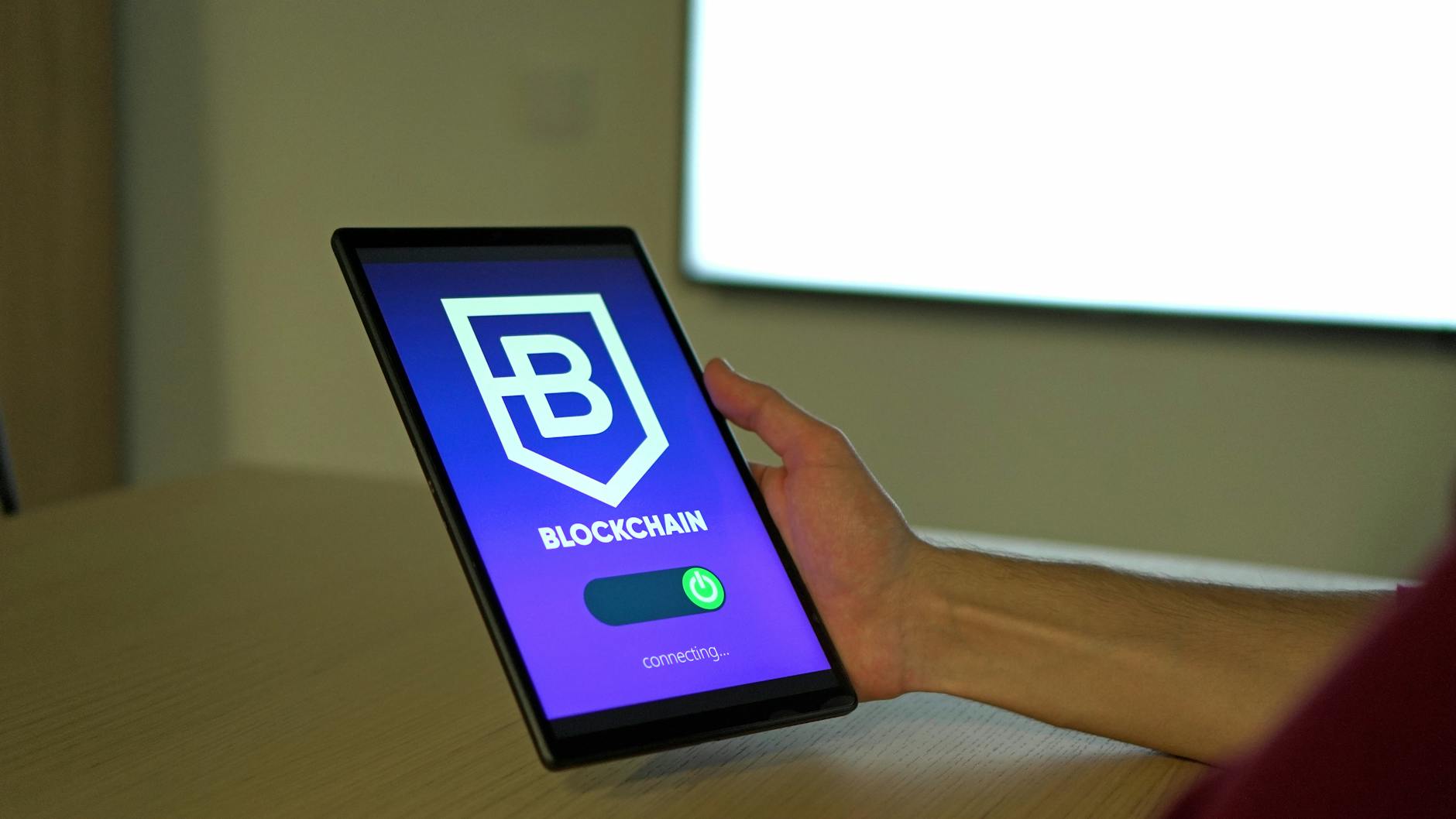
When you send or receive Bitcoin, the funds do not settle instantly. Instead, the network works through a process of confirmations to ensure that the transaction is genuine and cannot be reversed. For newcomers, the term can cause confusion, especially when a wallet shows "0 confirmations" and you are left wondering whether your money has actually moved. This guide explains what a Bitcoin confirmation is, how the process works, and why the number of confirmations you wait for depends on what you are doing.
What a Bitcoin confirmation actually means
A Bitcoin confirmation is a record that a transaction has been included in a block on the blockchain, and that at least one subsequent block has been added on top of it. When a transaction first broadcasts to the network, it sits in a pool of unconfirmed transactions known as the mempool, waiting for a miner to pick it up. Once a miner includes it in a new block and that block is added to the chain, the transaction receives its first confirmation. Every new block added after that counts as an additional confirmation.
Each confirmation makes it progressively harder for anyone to alter or reverse the transaction. To undo a confirmed transaction, an attacker would need to rewrite every block that came after it, which requires an extraordinary and economically prohibitive amount of computing power. This is what gives Bitcoin its finality: not a central authority saying "this payment is done," but the accumulated computational effort of the entire network.
How the confirmation process works step by step
Understanding how Bitcoin transactions work at a basic level makes confirmations easier to follow. When you initiate a payment, your wallet signs the transaction with your private key and broadcasts it to the network. Miners on the network collect batches of these pending transactions and compete to solve a complex mathematical puzzle. The first miner to solve it adds their block to the chain and earns the block reward. Your transaction, if included in that block, now has one confirmation.
On average, a new Bitcoin block is added roughly every ten minutes. So a transaction with three confirmations has had approximately thirty minutes of processing time behind it. That time estimate can vary depending on network congestion and the fee attached to your transaction. Transactions with higher fees tend to be picked up faster because miners prioritise them.
How many confirmations do you actually need?
The number of confirmations required depends on the value and context of the transaction. There is no single rule, but some practical guidelines have emerged over time.
- Zero confirmations: Sometimes shown as "unconfirmed." For very small, low-risk transfers between trusted parties, this can be acceptable, but there is always a small risk of the transaction being dropped or replaced.
- One confirmation: Suitable for small everyday purchases where the merchant trusts the network. Most mobile wallets and payment processors regard one confirmation as enough for low-value transactions.
- Three confirmations: A reasonable threshold for moderate amounts. Many exchanges and services use this as their standard.
- Six confirmations: The widely accepted standard for larger transactions. Six confirmations represent roughly one hour of network work and make a reversal attack economically impractical for almost any attacker.
- More than six: Some exchanges and custodial services require more for very large deposits, particularly during periods of low network hash rate.
Why confirmation times can vary
If the Bitcoin mempool is congested, which happens during periods of high network activity, your transaction may wait longer before a miner includes it. Transactions that pay a lower fee are less attractive to miners and may sit unconfirmed for minutes, hours, or occasionally even longer. This is one of the practical reasons that understanding the Bitcoin mempool is useful for anyone sending or receiving Bitcoin regularly. When fees are low and the network is quiet, even a modest fee will get your transaction confirmed quickly.
During busy periods, such as when Bitcoin's price is moving sharply and activity spikes, you may need to pay a higher fee to get timely confirmations. Most modern wallets include a fee estimator that suggests an appropriate fee based on current network conditions. Using that tool before sending can save frustration.
Confirmations and security: the practical connection
The confirmation system is one of the core features that makes Bitcoin trustworthy without needing a bank or payment processor in the middle. A single confirmation means that thousands of nodes across the world have validated your transaction and that it has been permanently recorded. Six confirmations mean that reversing that record would cost an attacker more in hardware and electricity than they could realistically hope to gain.
For everyday transactions, one to three confirmations is typically fine. For large transfers, for example when moving a significant amount to a new wallet or settling a high-value trade, waiting for six gives you the kind of certainty that serious Bitcoin holders rely on. Knowing how the system works puts you in a better position to judge when waiting is worth it and when one confirmation is enough.
What you will see in your wallet
Most Bitcoin wallets display confirmation counts alongside each transaction. When you send Bitcoin, you will typically see "pending" or "0/6 confirmations" until the transaction is picked up by a miner. After each new block is added, the count ticks up. When it reaches the threshold your wallet uses (often three or six), the transaction is marked as complete. Some wallets also show an estimated confirmation time based on the fee you paid, which gives you a realistic sense of how long to wait.
If you are buying Bitcoin in Australia and want to understand each step of the process from purchase to confirmed receipt, the guide on how to buy Bitcoin in Australia covers the full flow, including what happens after your exchange transaction is broadcast. Getting comfortable with confirmations is one of the small but meaningful milestones on the path from beginner to confident Bitcoin user.