
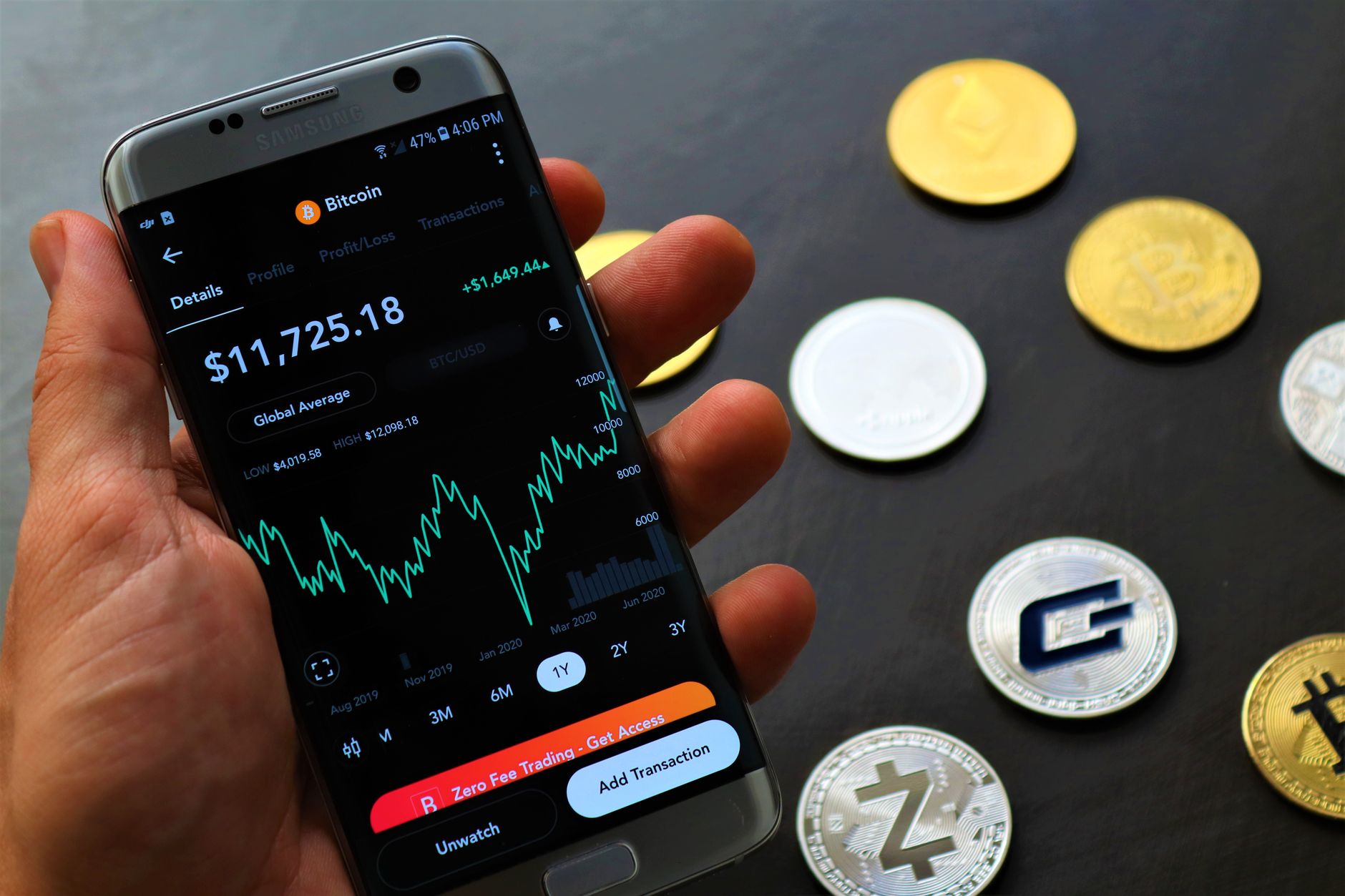
A Bitcoin hot wallet is any wallet that maintains a live connection to the internet. That connection is what makes hot wallets fast and convenient: you can send and receive Bitcoin in seconds, check your balance from any device, and interact with exchanges without moving funds through extra steps. The trade-off is straightforward. An internet-connected wallet is reachable, and anything reachable can be targeted.
How a hot wallet actually works
Every Bitcoin wallet, hot or cold, stores private keys. The private key is the cryptographic credential that authorises a transaction. In a hot wallet, those keys sit on a device or server that's online. When you press "send", the wallet signs the transaction with the private key and broadcasts it to the Bitcoin network in one motion. The whole process takes seconds.
Hot wallets come in three main forms. Mobile apps (such as the wallets built into most exchange accounts) store keys on your phone. Desktop wallets store keys on a laptop or PC. Exchange custodial wallets store keys on the exchange's servers on your behalf. That last type is the most common starting point for beginners, because you don't need to manage the keys yourself. The downside is that you don't technically control them either.
Understanding what a private key is matters here. If you're new to that concept, what is a private key in Bitcoin and why does it matter? explains the mechanics clearly before you commit to any storage method.
Hot wallet vs cold wallet: the core difference
The distinction between hot and cold storage is entirely about internet connectivity. A cold wallet keeps private keys on a device that is never connected to the internet. A hardware wallet like a Ledger or Trezor is the most common cold storage option. It signs transactions offline, then passes the signed data to a connected device for broadcast. The keys themselves never touch the internet.
A hot wallet skips that air gap. It's faster and easier, but it exposes the keys to every threat that comes with being online: malware, phishing sites, clipboard hijacking, and exchange hacks. For a full comparison of how these two approaches stack up, cold wallet vs hot wallet: which is right for you? covers the decision in practical detail.
Neither option is universally better. The right choice depends on how much Bitcoin you hold, how often you transact, and what you're using it for.
When a hot wallet makes sense
Hot wallets are purpose-built for spending. If you're paying for goods and services, tipping a content creator, or sending a small amount to a friend, a hot wallet gives you the speed and simplicity the situation requires. Fumbling with a hardware wallet to pay for a coffee is the wrong tool for the job.
A sensible approach is to treat a hot wallet the way you'd treat a physical wallet. You wouldn't carry your life savings in your back pocket, but you'd keep enough cash for a day's spending. The same logic applies here. Keep a small, defined amount in your hot wallet for everyday transactions. Keep the bulk of your Bitcoin in cold storage.
Hot wallets also make sense during active trading. If you're moving in and out of positions on an exchange, keeping funds accessible is practical. Just don't let "temporary" holdings drift into permanent ones without reviewing the risk.
The real risks of hot wallets
The threats to a hot wallet are real and varied. Phishing attacks direct you to fake sites that capture your login credentials or seed phrase. Malware on a compromised device can read clipboard contents, replacing a Bitcoin address you copied with the attacker's address just before you paste it. Exchange hacks have drained billions of dollars in Bitcoin from custodial wallets over the years.
Software hot wallets on your phone or computer are only as secure as the device running them. A phone with outdated software, a dodgy app download, or a compromised Wi-Fi connection can each open a door to your funds. These risks don't make hot wallets unusable. They do make the size of your hot wallet holding a meaningful security decision.
If you hold Bitcoin on an exchange, check which security features that exchange actually offers. Two-factor authentication, withdrawal whitelists, and address verification are the baseline. crypto exchange security features: what to look for walks through each one in plain terms.
Setting up a hot wallet safely
Choosing a reputable, well-audited wallet app is the first step. Download only from official app stores or the developer's own verified website. Never install a Bitcoin wallet by following a link in an email or a social media post.
Enable every security layer the wallet offers. App-level PIN or biometric lock, two-factor authentication where available, and a withdrawal whitelist if you're using an exchange wallet. Write down your seed phrase on paper and store it somewhere physically secure. Don't screenshot it, don't email it to yourself, and don't save it in a notes app.
Keep your device's operating system and the wallet app updated. Most successful mobile wallet attacks exploit known vulnerabilities in old software versions. An update that takes two minutes to install can close a gap that took an attacker months to develop.
How much Bitcoin to keep in a hot wallet
There's no universal number, but a practical rule is to hold only what you'd be willing to lose without it affecting your financial position. For most people, that means a few hundred dollars worth of Bitcoin at most. Anything beyond that deserves cold storage consideration.
If your Bitcoin holdings have grown to the point where a hot wallet loss would be meaningful, it's time to look at moving the majority to a hardware wallet. The convenience of a hot wallet doesn't scale with the size of your holdings. The risk does.
Hot wallets serve a real purpose in a well-structured Bitcoin setup. They're not a flaw in the system. They're a layer of it, best used for what they're designed for: fast, accessible spending of amounts you can afford to move quickly.