
Your Bitcoin seed phrase is not just a password. It is the cryptographic root from which every private key in your wallet is derived. Anyone who has it can drain your funds from any device, anywhere in the world, without needing your PIN or your phone. Storing it safely is not optional: it is the foundation of every other security decision you make as a Bitcoin holder.
What exactly is a seed phrase?
A seed phrase (also called a recovery phrase or mnemonic phrase) is a sequence of 12 or 24 common English words generated by your wallet when you first set it up. These words encode your master private key in a format that humans can write down and read back. The order matters absolutely. A single word wrong or out of place means you cannot recover your wallet. If you want a deeper breakdown of what a seed phrase is and why it exists, our guide on what is a seed phrase and why does it matter covers the concept from first principles.
Why digital storage is the wrong choice
The instinct for most people is to store important information digitally: a photo, a notes app, a cloud document. For a seed phrase, this is one of the most dangerous things you can do. Digital storage creates attack surfaces that physical storage does not. A screenshot lives in your cloud backup. A note in your email can be accessed if your account is compromised. A file on your computer is exposed to malware.
Phishing attacks, SIM swaps, and keyloggers are all designed specifically to find credentials stored on devices. Keeping your seed phrase entirely off any networked device eliminates that class of threat entirely. If your Bitcoin security setup currently includes a seed phrase stored anywhere online, that is worth fixing today.
The right way to store a seed phrase on paper
Paper is the default recommendation for most holders, and for good reason. It is cheap, offline, and readable without any device. The risks are physical: fire, flood, and degradation over time. Here is how to do it properly.
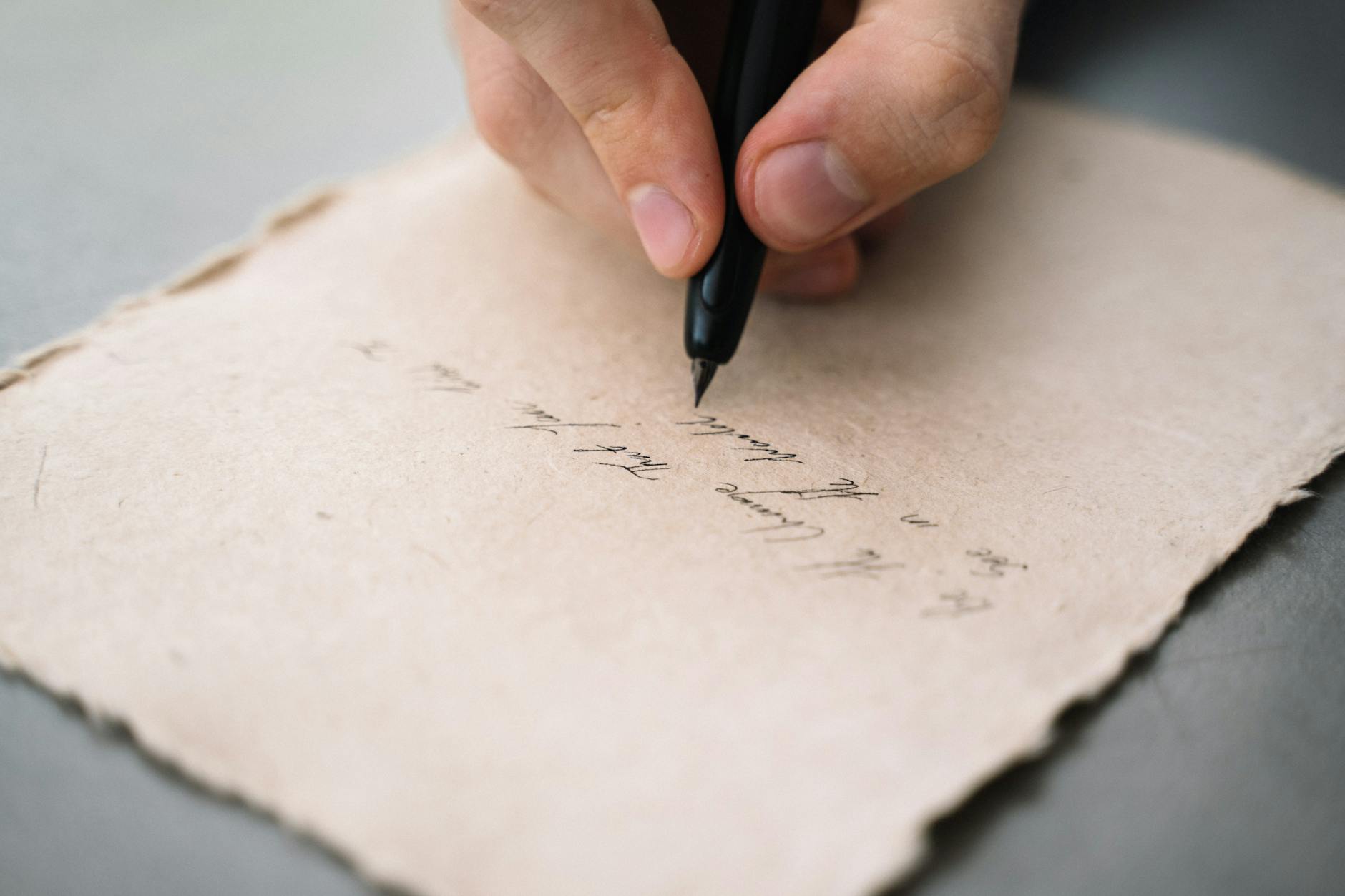
- Write clearly. Use a pen that will not fade. Print each word legibly in capital letters. Handwriting that is hard to read ten years from now is a problem you do not want.
- Use the correct word list. Your wallet follows a standard called BIP-39. Every word in your phrase comes from a specific list of 2,048 words. Write the words exactly as shown, including correct spelling.
- Store in a sealed, waterproof sleeve. Laminating the paper or placing it in a waterproof bag reduces humidity and water damage.
- Keep it away from direct light and heat. Both accelerate paper degradation over time.
- Never store it near your hardware wallet. If someone finds one, they should not immediately have the other.
Metal backup: the upgrade worth considering
For holders with a significant amount of Bitcoin, a metal backup is a meaningful upgrade over paper. Stainless steel and titanium seed phrase plates are available from several manufacturers and are designed to survive fire temperatures that would destroy paper, as well as flooding and physical crushing.
The process involves stamping or engraving your seed words into the metal surface, one word per slot. Some plates use letter tiles you press into a frame. Either approach results in a backup that can outlast decades of adverse storage conditions. Metal backups are not a substitute for good physical security, but they are a significant improvement in durability.
Where to physically store your backup
Having a well-made backup is only part of the solution. Where you keep it matters just as much. Consider these options:
- A home safe. A quality, bolted-down fireproof safe is the most accessible option for most people. Choose one rated for at least 30 minutes of fire resistance and mount it to a wall or floor so it cannot be removed.
- A bank safety deposit box. This separates your backup from your home, which protects against home-specific events like burglary or fire. The downside is that access depends on banking hours and the institution remaining operational.
- A trusted family member or solicitor. Some holders distribute their backup across two trusted parties, neither of whom holds the complete phrase. This requires genuine trust and clear instructions for how the pieces work together.
Geographic separation is a meaningful principle. If your home and your only backup are destroyed in the same event, your Bitcoin is gone. Keeping a second copy in a separate physical location significantly reduces that risk.
The risk of splitting your seed phrase
A common misconception is that splitting your seed phrase into two halves and storing them separately is a good security measure. It is not. The first 12 words of a 24-word phrase dramatically narrow the search space for an attacker. Splitting also doubles the number of things that can go wrong: if either half is lost, your recovery fails.
If you want the security benefit of requiring multiple components to access your funds, use a proper multisignature setup instead. Our explainer on Bitcoin multisig wallets covers when that approach makes sense and how to evaluate it against simpler setups.
Passphrases: an optional but powerful layer
Most modern wallets support an optional passphrase (sometimes called the 25th word). This is a user-defined string added on top of your seed phrase. The combination of seed phrase plus passphrase generates a completely different wallet than the seed phrase alone. Even if someone finds your written seed phrase, they cannot access your funds without also knowing the passphrase.
The trade-off is that the passphrase must be memorised or stored separately with equal care. If you forget it, your funds are inaccessible even with the correct seed phrase. For high-value holdings, a passphrase stored in memory and a seed phrase stored physically is a strong combination. For beginners, getting the seed phrase storage right first is the priority.
Testing your backup before you need it
One step that most holders skip is verifying that their backup actually works. Some hardware wallets allow you to do a dry-run recovery on a fresh device without sending any funds, confirming that your written words correctly restore the wallet. Do this before you deposit significant funds. A backup you have never tested is a backup you cannot rely on.
Set a reminder to check your physical backup every year or two. Paper can degrade, storage locations change, and the backup that made sense when you set it up may need to be updated as your holdings grow. Treating your seed phrase backup as a living security practice, rather than a one-time task, is what separates careful holders from those who eventually lose access to their funds. For a broader look at how this fits into your overall security setup, our Bitcoin security checklist walks through the full range of steps worth reviewing.