
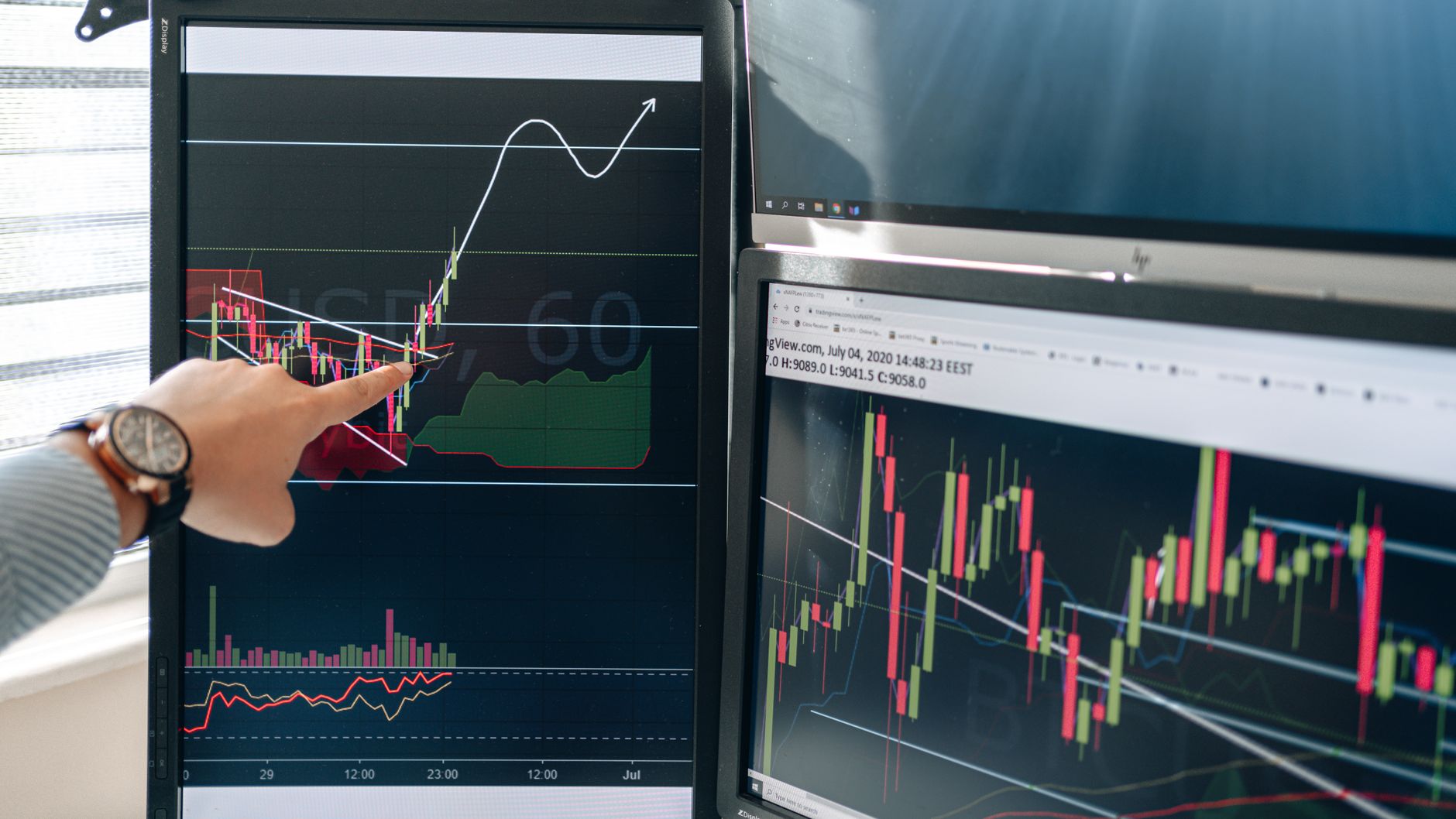
A Bitcoin bear market is defined by more than falling prices. It is a prolonged period of declining sentiment, reduced trading volume, and widespread doubt about whether the asset will ever recover. For investors who have lived through one, the experience is memorable. For those yet to face one, it can be genuinely destabilising. The good news is that bear markets are survivable, and for investors with the right approach, they can be quietly productive. The key is preparation, not prediction.
What a Bitcoin bear market actually looks like
Bear markets in Bitcoin are typically characterised by peak-to-trough drawdowns of 70 to 85 per cent, sometimes more. These are not the brief pullbacks that happen during bull runs. They can last anywhere from several months to well over a year, and they are usually accompanied by sustained negative media coverage, exchange outflows, and general capitulation among retail investors. Understanding this context matters because it helps you frame the experience correctly: you are not watching Bitcoin fail. You are watching a cycle play out.
Bitcoin has passed through multiple severe bear markets since its inception and recovered each time to set new all-time highs. That historical record does not guarantee future performance, but it does give long-term holders a rational basis for patience. Reading Bitcoin market cycles closely helps you understand where in a given cycle you might be sitting, which is one of the most useful tools an investor can develop.
Strategy 1: stop watching the price
This sounds counterintuitive, but compulsive price-checking during a bear market is actively harmful. It amplifies anxiety, distorts your perception of time, and makes the drawdown feel more permanent than it is. Set a rule for yourself: check the price weekly rather than hourly. Use that reclaimed attention to focus on your investment thesis instead. If you believed in Bitcoin's long-term value proposition before the drop, ask yourself whether anything fundamental has changed. In most bear markets, the answer is no.
Strategy 2: keep accumulating with dollar-cost averaging
A bear market is, by definition, a period where Bitcoin is cheaper than it was at its peak. For long-term investors, that is not a reason to stop buying. It is a reason to keep buying in a disciplined, systematic way. Dollar-cost averaging (DCA) involves purchasing a fixed dollar amount of Bitcoin at regular intervals, regardless of the current price. This approach removes the emotional burden of trying to time the bottom and ensures you are accumulating more Bitcoin per dollar during the periods when prices are suppressed.
The mechanics are straightforward. You decide on an amount you can genuinely afford, say $50 or $200 per week, and you stick to it regardless of what the market is doing. Over time, your average cost per coin trends lower than if you had tried to pick the perfect entry point. Dollar-cost averaging Bitcoin is one of the most battle-tested strategies in the long-term investor's toolkit, and bear markets are precisely where it delivers the most value.
Strategy 3: review and right-size your position
A bear market is a useful moment to honestly assess whether your Bitcoin position is sized correctly for your risk tolerance. If the drawdown is causing you significant financial stress or affecting your sleep, your position may be larger than it should be. That is not a moral failing. It is a mismatch between position size and personal risk capacity, and it is worth correcting.
The right sizing for a Bitcoin holding depends on your overall financial position, your investment timeline, and your ability to leave the funds untouched for several years. Many experienced investors recommend holding only what you can afford to leave alone for a minimum of three to five years. If that means a smaller initial position, a smaller position is the right answer for your circumstances.
Strategy 4: protect your existing holdings
Bear markets also bring an elevated risk of security incidents. When prices are falling sharply, scammers become more active, targeting panicked holders with fake recovery schemes, phishing attempts, and fraudulent platforms promising guaranteed returns. This is exactly the wrong time to be moving funds around impulsively or responding to unsolicited contact.
Make sure your Bitcoin is held in a secure wallet with proper seed phrase backup. If you are holding significant amounts, a hardware wallet is worth the setup effort. Bitcoin risk management is not just about price risk. Operational security matters too, especially when market stress makes people more likely to make hasty decisions.
Strategy 5: use the time to learn
Bear markets slow things down. The frantic pace of bull run speculation gives way to quieter markets where you actually have time to think. That is a genuine advantage if you use it well. Investors who emerge from bear markets with a deeper understanding of how Bitcoin works, how cycles behave, and how to structure their approach tend to be far better positioned when the next bull run begins.
Read widely. Revisit the fundamentals of how Bitcoin's supply schedule works, how miner behaviour affects price, and what on-chain data can tell you about market sentiment. The investors who do this work during downturns are the ones who make better decisions when prices start moving upward again.
Strategy 6: have a plan before the next bull run
One of the most common mistakes in Bitcoin investing is entering a bull market without a clear exit plan. Investors ride prices up, assume the rally will continue indefinitely, and then hold through the subsequent bear market without having realised any gains. Bear markets are the ideal time to think clearly about what you would actually do if prices doubled or tripled from here.
Consider setting target price levels at which you would take some profits, and write those targets down. Decide in advance what percentage of your holdings you would sell at each level. Having this plan in place before prices start moving means you are making decisions based on logic, not emotion, which is when most investors make their best calls.
Patience as an active strategy
Bear markets feel passive because they do not reward action in the way bull markets appear to. But maintaining your position, continuing to accumulate, protecting your security, and doing the educational work required to invest more effectively are all active choices. They are also choices that most retail investors fail to make, which is part of why long-term Bitcoin holders have historically outperformed those who chase entries and exits.
The investors who fare best through bear markets are not the ones who predicted the bottom. They are the ones who stayed in, stayed calm, and kept their strategy intact until the cycle turned. That is achievable, and it starts with deciding in advance that you will not let short-term price action override a long-term plan.