
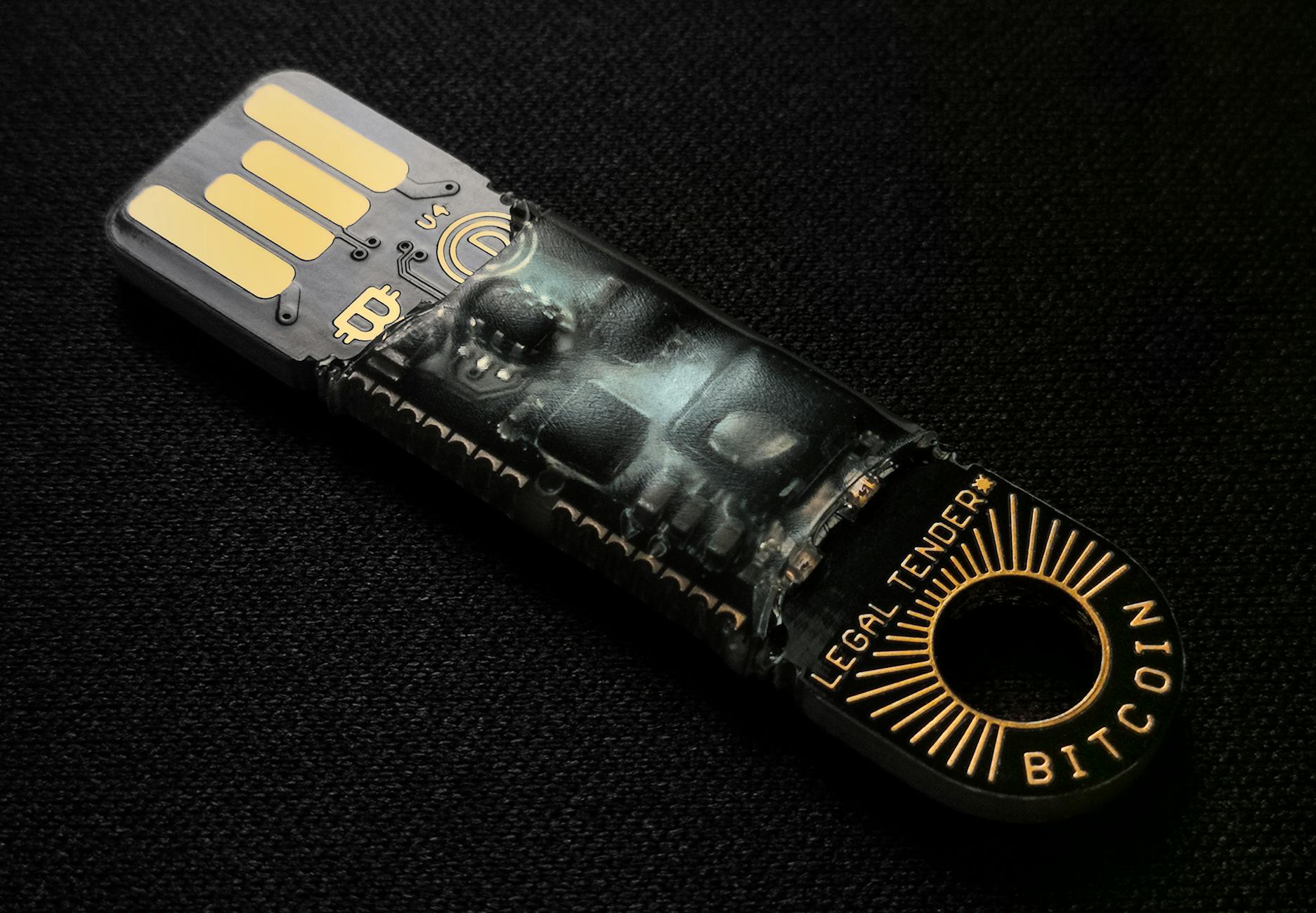
Bitcoin cold storage is the practice of keeping your Bitcoin in a wallet that has no connection to the internet, putting it out of reach of hackers, exchange failures, and account freezes. It sounds technical, but the core idea is simple: if you hold a meaningful amount of Bitcoin, leaving it on an exchange is like leaving cash on a shop counter and trusting the shop to stay open forever. At some point, you want to take it home.
What "cold storage" actually means
A wallet is called "cold" because it never touches an active internet connection. The most common form is a hardware wallet: a small USB-style device that stores your private keys offline. Brands like Ledger and Trezor manufacture dedicated hardware wallets that sign transactions internally, so your private key is never exposed to your computer or phone.
The alternative most people start with is an exchange account. Exchanges are custodial: they hold the Bitcoin on your behalf and they control the private keys. That's convenient when you're buying or trading frequently. It becomes a liability when you're holding long-term.
Understanding what a private key actually is helps make this concrete. Whoever controls the private key controls the Bitcoin. On an exchange, that's the exchange, not you.
The real risks of leaving Bitcoin on an exchange
Exchange hacks are not hypothetical. In 2014, Mt Gox lost 850,000 Bitcoin. In 2022, FTX collapsed and froze withdrawals for hundreds of thousands of customers globally. Australian users were caught in both events. The pattern repeats: the exchange looks fine until it doesn't.
There are three specific risks that cold storage eliminates:
- Hacking. Exchange hot wallets are high-value targets. A successful breach can drain customer funds in minutes, with no reversals possible.
- Insolvency. If an exchange becomes insolvent, your Bitcoin becomes an unsecured creditor claim. You join a queue, not a refund process.
- Account freezes. Exchanges can freeze withdrawals under regulatory pressure, internal compliance reviews, or during a bank run on their liquidity.
None of these risks exist if the Bitcoin sits in a cold wallet you control. The device can sit in a drawer. The Bitcoin doesn't move unless you physically initiate a transaction.
When should you actually move to cold storage?
There's no single number that triggers the move, but most experienced Bitcoin holders point to a few practical thresholds.
If you're holding more than you'd be comfortable losing entirely, you've crossed the line. For some people that's $500. For others it's $5,000. The point isn't the dollar figure; it's the question of whether an exchange failure would materially hurt you. If yes, cold storage belongs in your plan now, not later.
A second trigger is time horizon. If you're building Bitcoin wealth over the long term rather than actively trading week to week, the cost of a hardware wallet pays for itself against the ongoing counterparty risk of leaving funds on an exchange. A Ledger Nano starts around $100 AUD. That's cheap insurance on a long-term position.
A third signal is frequency. If you haven't touched your exchange account in 30 days, you're not trading. You're storing. And exchange accounts are not built for long-term storage.
How to move Bitcoin off an exchange safely
The process is straightforward, but it requires care at each step. A wrong address means permanent loss.
First, set up your hardware wallet following the manufacturer's instructions carefully. Write down your seed phrase on paper the moment it appears. Do not photograph it. Do not type it into any app or website. This is the only key that can recover your wallet if the device is lost or damaged. Many holders go further and store the seed phrase on a metal backup for fire and water resistance.
Second, verify the receiving address on the hardware wallet's own screen before you use it. Hardware wallets display addresses on the device itself precisely because your computer screen can be manipulated by malware. Always confirm the address on the device, not just on your browser.
Third, send a small test amount first. Send $20 worth of Bitcoin, confirm it arrives in the hardware wallet, and only then send the remainder. The test costs a small network fee. It's worth every cent.
Finally, keep a record of the wallet's address and the date you moved funds. If you're ever working through your Bitcoin cost basis for tax purposes, knowing when you moved funds between wallets matters for the ATO's records. Note that moving Bitcoin between your own wallets is not a taxable event in Australia, but the record still helps.
What cold storage doesn't protect you from
Cold storage solves counterparty risk. It doesn't solve user error. Losing your seed phrase means losing your Bitcoin, permanently. There's no exchange support team to call. Hardware wallet manufacturers cannot recover funds if you lose the seed phrase.
Physical theft is also a real concern. A hardware wallet sitting on a desk tells an opportunistic thief exactly what they're looking at. Keep the device discreet, and keep the seed phrase stored separately from the device itself.
Cold storage also isn't the right tool for Bitcoin you're actively spending or trading. Keep a small amount on an exchange or in a mobile wallet for that purpose. The cold wallet holds the portion you're not touching.
The setup cost versus the ongoing risk
A hardware wallet costs between $100 and $300 AUD depending on the model. That's a fixed, one-time cost. The alternative is permanent, ongoing counterparty exposure to an exchange that may or may not exist in five years. For anyone building a serious Bitcoin position, the maths resolves quickly. Buy the device. Set it up properly. Move the bulk of your holdings off exchange. Then leave them there.
McLeod Pacific Investments helps Australian Bitcoin holders understand every part of the custody decision, from choosing the right exchange to knowing when and how to move into self-custody. If you're not sure where your current setup sits on the risk spectrum, that's the right question to start with.