
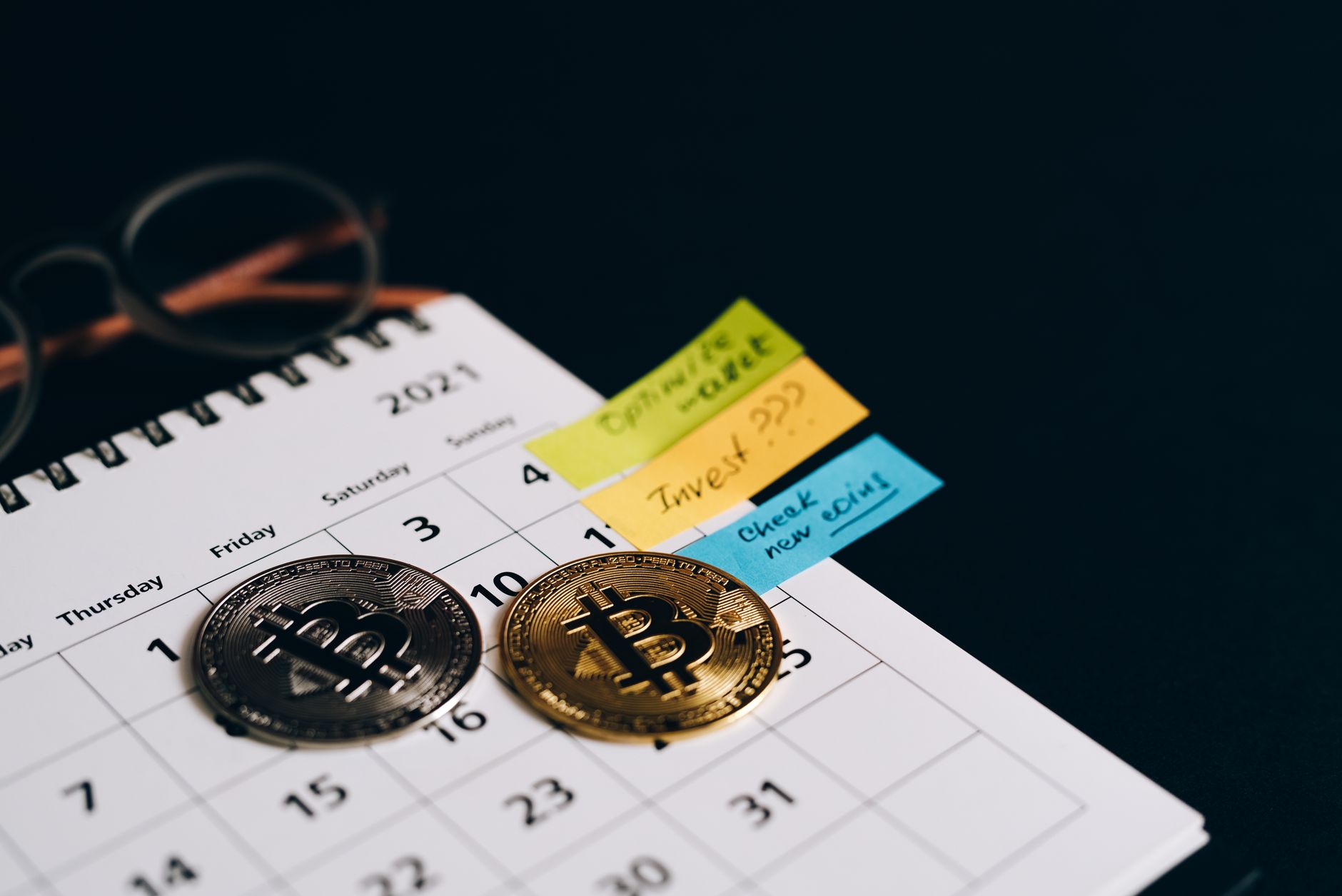
Dollar-cost averaging (DCA) into Bitcoin has earned its reputation as a reliable, low-stress strategy. You buy a fixed amount at regular intervals, smooth out the volatility, and avoid the paralysis of trying to time the market perfectly. The logic is sound. The execution, though, is where most people quietly go wrong.
These aren't dramatic errors. They're the kind of small missteps that compound over months or years and leave you wondering why your results don't match the strategy's promise.
Stopping purchases during a price drop
The single most common DCA mistake is pausing contributions when the price falls sharply. This feels instinctively correct. The market looks unstable. You want to wait for clarity. But stopping purchases during a drawdown is the opposite of what DCA is designed to do.
The whole mechanism works because lower prices mean your fixed contribution buys more Bitcoin. A $100 purchase at $40,000 AUD per Bitcoin buys roughly 0.0025 BTC. The same $100 at $80,000 buys half that. If you skip the cheap periods and only buy during recoveries, you've converted a disciplined averaging strategy into a version of market timing, just a worse one.
Staying the course through volatility is difficult. But Bitcoin bear market strategies consistently show that investors who maintained regular purchases during downturns accumulated significantly more coins than those who paused and re-entered later.
Choosing the wrong interval
Weekly or fortnightly purchases tend to outperform monthly ones over time, simply because they spread your entry points more finely. A single monthly purchase can land on an unfortunate day. Twelve monthly purchases in a year versus 52 weekly ones: the weekly schedule catches more price variation and averages more precisely.
The interval also needs to fit your actual cash flow. A DCA schedule you can't sustain is worse than a less optimal one you stick to. Pick a frequency that aligns with your pay cycle and doesn't create cash-flow stress. For most Australian investors, fortnightly contributions aligned with paydays work well in practice.
Not accounting for fees
Transaction fees on small, frequent purchases can erode your returns more than most people expect. If you're paying a flat $5 fee on a $50 purchase, you're starting every buy 10% in the hole. Over a year of weekly purchases, that's over $260 in fees alone on a $2,600 total investment.
The fix is straightforward: either increase the purchase size so fees represent a smaller percentage, or use a platform that charges a percentage-based fee rather than a flat rate. McLeod Pacific Investments offers Bitcoin purchase services where fee structures are transparent before you commit. Compare your actual fee-to-purchase ratio before locking in a schedule.
Ignoring your cost basis
Most DCA investors have a rough sense of how much Bitcoin they own but no clear picture of what they paid for it on average. Without tracking your cost basis, you can't measure your real performance, make sensible decisions about when to take profits, or calculate your tax position accurately.
Understanding your Bitcoin cost basis is not optional. The Australian Taxation Office requires you to track the cost of each acquisition, and averaging your way into a position across dozens of purchases makes this record-keeping genuinely important. Use a spreadsheet or a portfolio tracking tool from the start. Reconstructing months of purchase history later is tedious and error-prone.
Treating DCA as a "set and forget" strategy indefinitely
DCA is not a permanent autopilot. It's an accumulation strategy that makes most sense during periods when you're building a position. At some point, that position needs to be reviewed against your original goals.
Investors who never revisit their schedule sometimes find themselves over-allocated to Bitcoin relative to their overall financial picture. Others keep buying through periods where their goals have changed. A good DCA plan includes a review point, typically annually, where you assess position size, contribution amount, and whether the strategy still fits your objectives. A clear Bitcoin investment goal gives that review something concrete to measure against.
Buying on emotion at the edges
DCA investors sometimes make unplanned "bonus" purchases when Bitcoin makes headlines after a sharp rise. The fear of missing out is real, and it's especially acute for people who've been quietly accumulating at lower prices and suddenly see the asset surging. These impulse buys fall outside the schedule, often at peak prices, and undermine the averaging effect the strategy is built on.
The reverse also happens. Investors reduce their scheduled amount after a string of gains, reasoning that the price has "run too far." Both behaviours reintroduce timing decisions into a strategy explicitly designed to eliminate them.
If you want to make additional purchases outside your schedule, treat them as a separate allocation with their own rationale. Don't let them bleed into your DCA rhythm.
Leaving purchased Bitcoin on an exchange
A DCA strategy that accumulates meaningful holdings over time creates a security problem if all that Bitcoin stays on an exchange. Exchange-held funds are custodial: you don't control the private keys. A DCA investor who buys consistently for two years and never moves their holdings has built up real exposure to counterparty risk.
The practical rule: once your holdings reach a value you'd be genuinely upset to lose, move them to a wallet where you control the keys. For most people, that threshold is personal, but the principle is consistent. Accumulate through DCA, store independently once the balance warrants it.
The underlying logic still holds
None of these mistakes invalidate the core DCA strategy. Buying Bitcoin in regular, fixed amounts remains one of the most accessible and psychologically sustainable approaches available to individual investors. The errors above are fixable: track your cost basis, maintain your schedule through downturns, minimise fees, and review your plan at least once a year.
Small adjustments made early have an outsized effect when the holding period stretches across years. Getting the mechanics right from the start means the strategy actually delivers what it promises.