
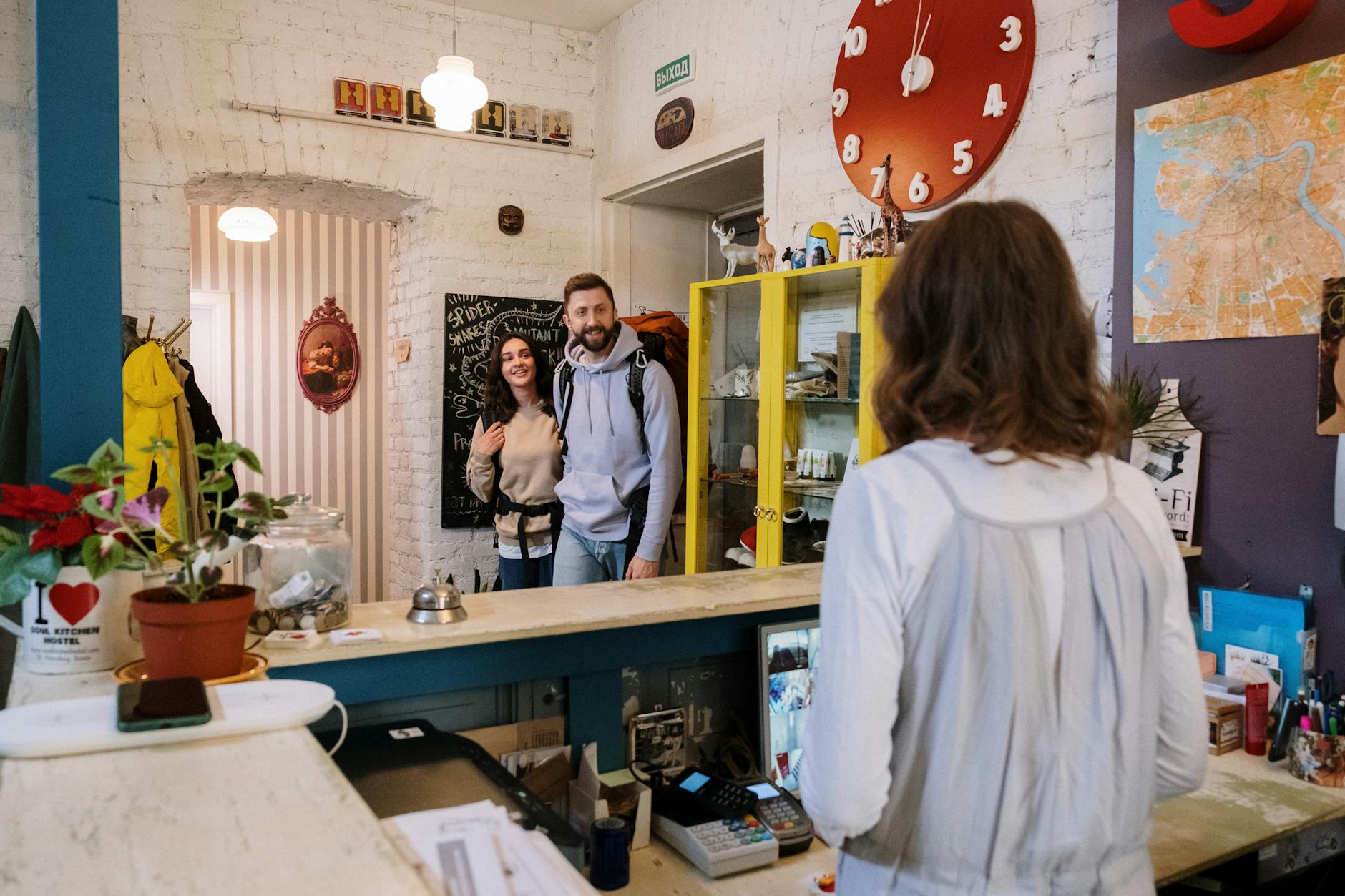
Budget travel has always been about squeezing more miles from every dollar. Bitcoin is quietly becoming one of the sharper tools for doing that. For backpackers moving between countries, the costs of exchanging currency, paying international card fees, and relying on ATMs in unfamiliar places add up fast. Bitcoin sidesteps most of those friction points, letting you move money across borders without banks, brokers, or queues.
This isn't just theory. Backpacker-friendly operators, hostels, and booking platforms have been accepting crypto since the early 2020s, and the network of Bitcoin-accepting businesses in popular travel corridors has grown steadily. Southeast Asia, Central America, Southern Europe, and parts of East Africa now have enough Bitcoin infrastructure to make a low-cost trip genuinely viable on crypto.
Why backpackers are a natural fit for Bitcoin
A backpacker's financial life is messy by design. You're managing multiple currencies across weeks or months. You're paying small, frequent amounts to hostels, street food vendors, tour operators, and transport providers. You're withdrawing cash in countries where your home bank charges a flat $5 fee plus a 3% conversion margin. Those costs bite.
Bitcoin doesn't care which country you're in. A transaction from Australia to a hostel in Lisbon or a surf school in Nicaragua settles the same way regardless of borders. There's no currency conversion, no card decline, and no call to your bank explaining why you're suddenly spending in three countries in one week.
For backpackers already comfortable with apps and digital tools, the learning curve for a basic Bitcoin mobile wallet is short. It's also worth noting that Bitcoin doubles as a lightweight savings vehicle. If you're spending Bitcoin on travel while holding a portion as a long-term asset, you can separate what you travel with from what you're building, all in one wallet structure.
What you can actually pay for with Bitcoin on the road
The honest answer is: more than most backpackers expect, but still not everything. Here's where Bitcoin works well for budget travellers right now.
- Hostels and guesthouses: A number of independent hostels, particularly in crypto-friendly cities like Medellín, Chiang Mai, Prague, and Lisbon, now accept Bitcoin directly. Booking platforms like Travala let you pay for a wide range of accommodation globally using crypto.
- Adventure and tour operators: Surf schools, diving companies, trekking outfits, and bike rentals in crypto-forward destinations increasingly list Bitcoin as a payment option alongside cash and card.
- Transport: Intercity buses, ferry operators, and rideshare alternatives in parts of Latin America and Southeast Asia are starting to accept crypto, though this is patchy.
- Gift cards: Platforms like Bitrefill let you convert Bitcoin into gift cards for Airbnb, Booking.com, Uber, and dozens of other services. This is the most reliable workaround for merchants who don't yet accept crypto directly.
Gift cards deserve a mention on their own. Buying gift cards with Bitcoin is one of the most practical strategies available to budget travellers right now. You're not locked into finding a merchant with a Bitcoin terminal. You load a gift card, spend it normally, and keep your trip running without any friction.
Managing your Bitcoin wallet on the road
Security matters more when you're travelling. You're using public Wi-Fi, logging into apps on shared networks, and sometimes managing your phone in environments where pickpockets are active. A few non-negotiable practices apply.
Keep a small, separate spending wallet on your phone with only what you need for the next few days. Think of it like carrying a small amount of cash. Your main holdings should stay in a separate wallet with stronger security, ideally one you don't access in busy public spaces. Never access your full Bitcoin wallet on hotel Wi-Fi or a hostel computer.
A hardware wallet is overkill for most backpackers on a 3-week trip. It becomes worthwhile if you're carrying a significant amount or travelling for several months. For short trips, a reputable mobile wallet with a strong PIN and biometric lock is a reasonable starting point.
Write your seed phrase down on paper before you leave home. Keep it separate from your phone. If your device is stolen or breaks, that piece of paper is your recovery path.
Where Bitcoin fees and network timing matter
On-chain Bitcoin transactions aren't instant, and fees vary. For small payments at a hostel or café, a Lightning-enabled wallet is the better tool. The Lightning Network settles payments in seconds with fees that are fractions of a cent. Most Bitcoin-accepting businesses in backpacker hotspots prefer Lightning for exactly this reason.
Before you leave Australia, test your wallet with a small Lightning payment. Know whether your wallet supports it natively. Apps like Muun, Phoenix, and Wallet of Satoshi are popular among travellers for their Lightning compatibility and simple interfaces.
On-chain transactions are better suited for larger, less time-sensitive payments, like settling a week's accommodation in advance. For daily spending, Lightning is the practical choice.
Tax and records: the part most backpackers skip
Every time you spend Bitcoin, it's a taxable event in Australia. The Australian Taxation Office treats Bitcoin as property, not currency, so spending it is legally the same as selling it. If the Bitcoin you spend has gone up in value since you bought it, you may owe capital gains tax on the difference.
This doesn't mean you shouldn't spend it. It means you should keep records. Note the date, the AUD value of Bitcoin at the time of each spend, and the amount spent. Most decent Bitcoin wallets export transaction histories. Pull that data before you close out the trip and hand it to your accountant at tax time.
If you bought Bitcoin more than 12 months before spending it, you may be eligible for the 50% CGT discount. That's a significant saving on any gains, and it's worth factoring into your planning. The rules around this are explained clearly in our article on the Bitcoin capital gains discount and the 12-month rule.
Countries where Bitcoin works best for backpackers
Some destinations are genuinely more Bitcoin-ready than others. El Salvador made Bitcoin legal tender in 2021, which means businesses there are legally required to accept it. The Chivo wallet infrastructure has made small Bitcoin payments common in tourist areas. Medellín in Colombia has a dense concentration of crypto-accepting cafés, hostels, and coworking spaces, driven partly by a large expat and digital nomad population. Prague has hosted a Bitcoin-focused travel scene for years, with enough merchants to sustain a short trip almost entirely on crypto.
That said, even in less crypto-friendly places, the gift card strategy keeps you covered. The infrastructure doesn't have to be local if you can pre-load the right spending tools before you arrive.
Budget travel is fundamentally about being resourceful. Bitcoin, used correctly, is another resource in that toolkit: one that cuts fees, preserves your privacy, and keeps your money moving without banks in the middle.