
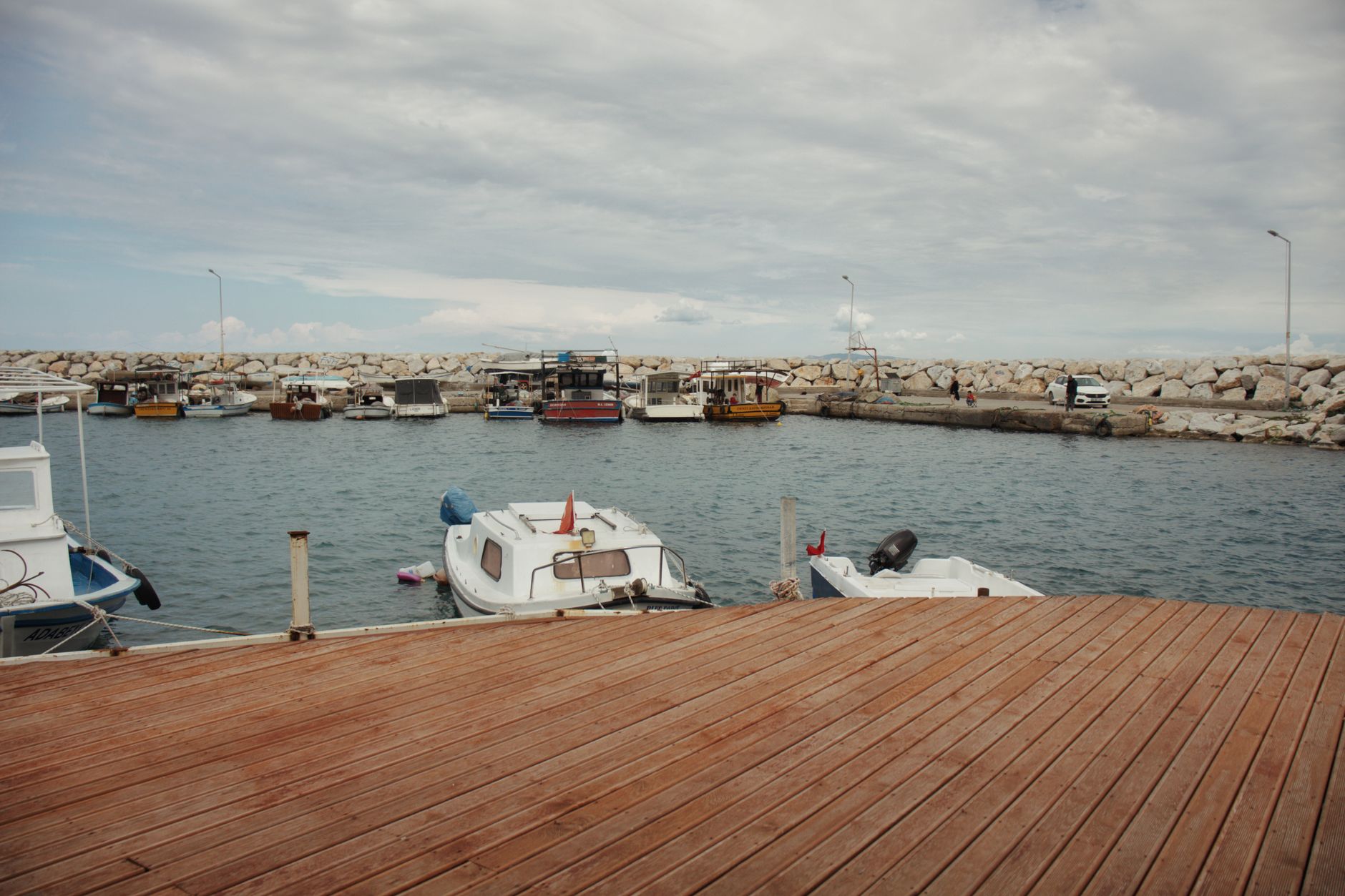
Bitcoin for boat owners is moving from curiosity to genuine convenience. Whether you own a tinnie, a trailer sailer, or a full-sized cruiser, the costs of boating add up fast: marina berths, fuel, antifouling paint, outboard servicing, and gear upgrades all eat into your budget. A growing number of marine businesses now accept Bitcoin as payment, and that means your crypto holdings can go directly toward the lifestyle you're already living on the water.
Where boat owners are spending Bitcoin
The marine retail sector has been one of the quieter early adopters of crypto payments. Online chandleries selling ropes, fittings, navigation equipment, and safety gear have led the charge, particularly those targeting offshore passages and long-distance cruisers who are already comfortable transacting digitally. In Australia, several independent marine equipment stores now list Bitcoin as a checkout option alongside card payments.
Marina operators are a different story. Larger commercial marinas tied to traditional booking systems are slower to move. Smaller privately run boat harbours, particularly in regional Queensland and Western Australia, have been more willing to experiment, accepting Bitcoin for casual berth bookings and short-term stays. If your preferred marina doesn't accept crypto yet, it's worth asking. The conversation is happening across the industry.
Beyond berths, boat owners are also spending Bitcoin on:
- Marine electronics and navigation gear from specialist online retailers
- Boat insurance premiums through crypto-friendly brokers
- Yacht charter deposits and liveaboard bookings on platforms that accept digital payments
- Marine surveying services, particularly for pre-purchase inspections
Booking offshore passages and charters with Bitcoin
Yacht charter platforms have been among the more progressive corners of the boating world. Several international platforms now accept Bitcoin for charter deposits and full payments, which is particularly useful for Australians booking in the Pacific, the Caribbean, or the Mediterranean. Bitcoin removes the friction of international wire transfers, currency conversion fees, and bank delays that can complicate overseas charter bookings. If you're planning a sailing holiday, checking whether your charter operator takes crypto before you book is now a reasonable first step.
For cruisers doing extended passages, spending Bitcoin on travel logistics like flights, accommodation in port towns, and provisioning at overseas marinas is increasingly workable. The same principles apply: research which services accept crypto at your destination, keep a portion of your Bitcoin accessible in a mobile wallet, and use a hardware wallet for longer-term storage while you're offshore.
Paying for boat repairs and servicing
Marine mechanics, boatbuilders, and rigging specialists are sole traders or small businesses, and that actually works in Bitcoin's favour. Small operators don't have to clear a corporate payment policy to accept a new payment method. Many are already using payment platforms that support crypto, and a direct Bitcoin transaction saves them the merchant fee they'd otherwise pay on card payments. McLeod Pacific Investments helps Australian buyers and sellers transact in Bitcoin quickly, which makes settling a repair invoice or a haul-out booking straightforward from both ends.
If your boatyard doesn't accept Bitcoin yet, a simple conversion on your end works too. Services like gift cards loaded with fiat, purchased with Bitcoin, let you pay for chandlery runs and hardware store visits without the vendor needing to change anything. For a full breakdown of how that process works, the guide on buying gift cards with Bitcoin covers the practical steps in detail.
Practical tips for spending Bitcoin on the water
Boating involves a mix of planned expenses and sudden ones. That reality shapes how you should structure your crypto for marine use.
Keep a separate mobile wallet with a small amount of Bitcoin for day-to-day marina spending, fuel, and gear runs. Don't use your primary cold storage wallet for casual transactions. Your main holdings should stay on a hardware device, ideally backed up properly before you leave for an extended passage where you won't have easy access to secure infrastructure.
For bigger purchases like a new outboard or a major refit, confirm the vendor's Bitcoin address carefully before sending. Marine equipment is expensive, and Bitcoin transactions can't be reversed once broadcast. Double-check the address against a second verification, and for large amounts, send a small test transaction first. These aren't boat-specific precautions; they're just good Bitcoin practice.
Also keep your tax records tidy. In Australia, the ATO treats spending Bitcoin as a disposal event, which means capital gains tax can apply on the difference between what you paid for the Bitcoin and its value when you spent it. Keeping a simple log of purchase date, cost basis, and spending date makes end-of-year reporting far less painful.
The broader picture for Bitcoin and boating culture
Boating communities tend to be self-reliant, practical, and comfortable with complexity. Those traits make boat owners a natural fit for Bitcoin adoption. Offshore passagemakers already operate outside the banking system for stretches at a time, carrying emergency cash in multiple currencies and transacting peer-to-peer in remote anchorages. Bitcoin fits that culture well. It's portable, it doesn't require a branch network, and it settles without asking for permission.
The marine industry isn't moving as fast as some retail sectors, but the direction is clear. More vendors are accepting crypto each year, more charter platforms are listing it as a payment option, and more boat owners are arriving at marinas with a hardware wallet on their belt rather than a credit card in their pocket. If you're already a Bitcoin holder who spends time on the water, the infrastructure to use it is closer than you might think.