
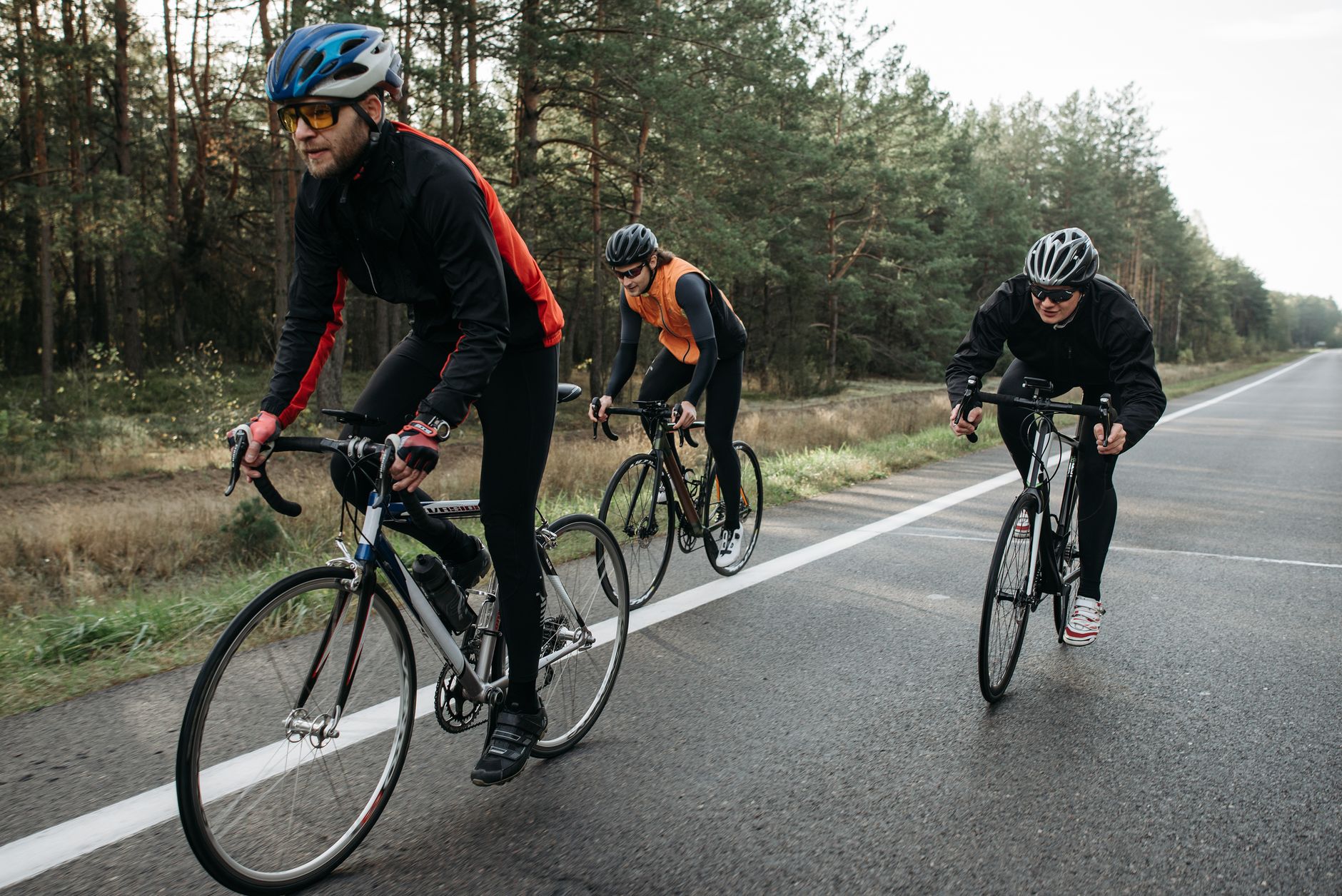
Bitcoin is finding its way into more corners of everyday life, and cycling is no exception. Whether you're a weekend warrior chasing weekend kilometres on the Gold Coast hinterland or a serious road racer hunting a new build, a growing number of retailers, coaching services, and event platforms are accepting Bitcoin as payment. If you already hold crypto and have a passion for cycling, the two are increasingly compatible.
Where cyclists can spend Bitcoin
The most obvious starting point is gear and equipment. Online cycling retailers have been among the early movers in crypto payments, recognising that their customer base tends to skew tech-forward. Platforms that integrate crypto payment gateways such as BitPay or CoinGate allow shops to accept Bitcoin at checkout without managing wallets themselves. This means you can often browse a retailer's site, select Bitcoin at checkout, and complete the transaction with your wallet app in a matter of seconds.
Categories where Bitcoin spending is increasingly viable include:
- Road bikes, mountain bikes, and gravel bikes from online retailers
- Components including groupsets, wheels, and handlebars
- Cycling apparel: jerseys, bibs, helmets, and gloves
- Electronics: cycle computers, power meters, and smart trainers
- Nutrition and supplements sold through crypto-friendly health platforms
- Event registrations for gran fondos, endurance races, and charity rides
- Cycling coaching and training plan subscriptions
If a retailer doesn't accept Bitcoin directly, gift cards offer a practical workaround. You can buy gift cards with Bitcoin from platforms like Bitrefill and Coinmiles, then use those cards at major sporting goods chains and online stores. This effectively unlocks Bitcoin spending at almost any retailer, even those that haven't yet added native crypto support.
Smart trainers, cycling apps, and subscriptions
Indoor training has exploded in popularity, and with it a whole ecosystem of subscription services has emerged. Platforms that sell smart trainers or offer training software subscriptions are increasingly open to alternative payment methods. Some accept Bitcoin directly, while others work through crypto-powered billing providers.
If your preferred training app doesn't accept Bitcoin natively, check whether it supports gift cards or third-party crypto payment platforms. Many cycling communities and forums maintain updated lists of crypto-friendly vendors, so a quick search within your usual cycling groups can save you time.
Cycling events and travel
Major cycling events, charity rides, and club memberships are another avenue worth exploring. Some event platforms have begun accepting crypto for entry fees, particularly for independently organised events and grassroots races. Bitcoin is also useful when cycling trips cross international borders, where traditional payment cards can attract foreign exchange fees or get blocked by overseas banks. Spending Bitcoin on travel sidesteps many of those friction points, covering flights, accommodation, and bike hire through platforms that accept crypto or allow gift card redemptions.
For Australian cyclists planning overseas trips, particularly to Europe where road cycling infrastructure is world-class, having Bitcoin in your wallet can smooth out payment logistics considerably. Countries with progressive crypto regulation often have merchants more familiar with accepting it, so your digital wallet travels well.
Peer-to-peer gear sales
The second-hand cycling market is enormous. Framesets, groupsets, and wheels regularly change hands at significant prices, and Bitcoin can make these transactions more straightforward than bank transfers for both buyer and seller. For high-value private sales, Bitcoin removes the risk of payment reversal that can come with certain bank payment methods, and it settles quickly without the seller needing to wait for funds to clear.
If you're buying used gear with Bitcoin, apply the same caution you would in any private sale. Verify the seller, inspect the item where possible, and use a platform with buyer protections if one is available. Bitcoin transactions are irreversible once confirmed, so due diligence matters before you send.
Coaching and professional services
Independent cycling coaches, sports physiotherapists, and bike fitters increasingly accept a range of payment methods, and Bitcoin is appearing more often among them. Solo operators often have more flexibility than large retailers, and many are open to crypto simply because it's faster and cheaper for both parties than bank transfers, particularly for ongoing coaching retainers.
If your coach or physio doesn't yet accept Bitcoin, it's worth having the conversation. Many small business owners are curious about crypto but haven't taken the step of setting up a wallet. Pointing them toward a simple solution can sometimes open the door, and it helps the broader cycling community normalise Bitcoin as a legitimate payment option.
What to keep in mind before you spend
A few practical points are worth considering before you start spending Bitcoin on cycling gear or services.
- Tax obligations: In Australia, spending Bitcoin is treated as a disposal event by the ATO. If your Bitcoin has grown in value since you bought it, you may have a capital gains liability when you spend it. Keep records of the purchase price and the value at the time of spending.
- Network fees: Bitcoin network fees vary with demand on the blockchain. For smaller purchases, fees can represent a meaningful percentage of the transaction. Check the fee environment before sending, and consider timing larger purchases when the network is less congested.
- Price volatility: Bitcoin's value can shift between the time you decide to make a purchase and the time you confirm the transaction. Most payment processors lock in an exchange rate at checkout for a short window, but it pays to be aware of this.
- Wallet readiness: Make sure your wallet is set up, funded, and accessible before you reach the checkout stage. Having your Bitcoin ready for fitness and sport purchases means understanding how your wallet app works and keeping enough crypto on hand for the purchase.
The bigger picture
Cycling and Bitcoin share something in common: both attract people who enjoy understanding systems deeply and pushing the limits of what's possible. As Bitcoin adoption continues to grow across everyday retail and services, cyclists are well placed to take advantage. Whether it's a new set of carbon wheels, a winter training block with a remote coach, or a cycling holiday through Tuscany, the tools to spend Bitcoin on your passion are more accessible than ever. The key is knowing where to look and keeping your wallet ready for the road ahead.