
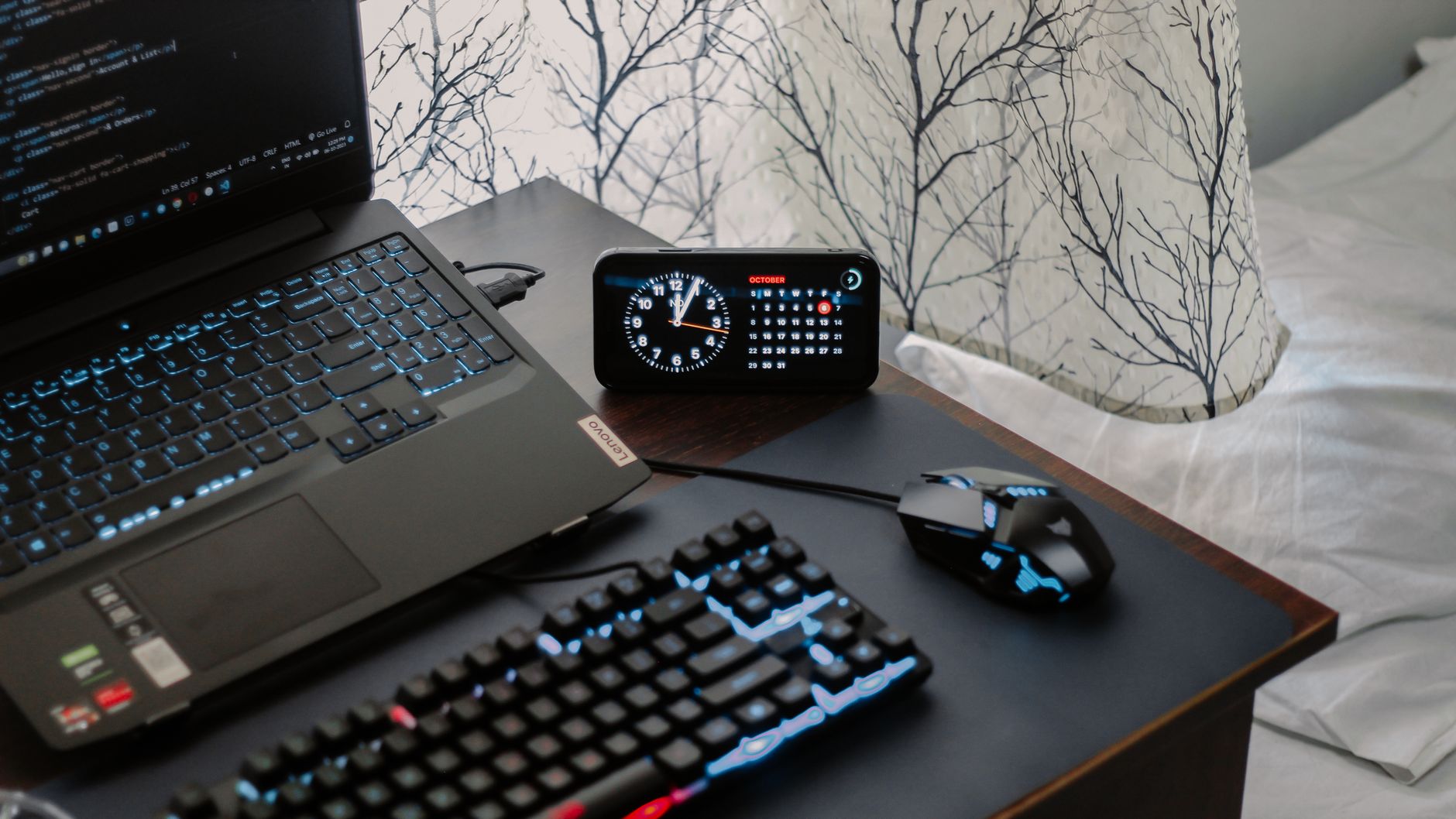
Bitcoin is finding a practical home in the home office. Whether you work remotely full-time, run a side hustle from your spare room, or contract across multiple clients, the tools and services that keep you productive are increasingly available to buy with Bitcoin. From standing desks and ergonomic chairs to VPN subscriptions and cloud storage, the home office is becoming one of the more quietly useful spending categories for crypto holders.
What you can actually buy with Bitcoin for a home office
The most obvious purchases are hardware. Online retailers selling monitors, keyboards, webcams, and desk accessories have expanded their payment options in recent years, with platforms like Newegg accepting Bitcoin directly for electronics purchases. If your preferred retailer doesn't accept Bitcoin at checkout, buying a gift card with crypto first gives you access to almost any store. That workaround covers a surprisingly wide range of office furniture and tech gear.
Software is another strong category. Productivity apps, project management tools, and design platforms with crypto payment options have grown steadily. Several VPN providers accept Bitcoin for annual subscriptions, which matters if you're working with sensitive client data on a home network. The combination of Bitcoin payments and a VPN subscription lines up well for remote workers who care about both privacy and security.
Ergonomic furniture and standing desks
Standing desks, ergonomic chairs, and monitor arms represent some of the larger single purchases a home office worker makes. These aren't cheap. A quality sit-stand desk from a reputable brand can cost $800 to $2,000 or more. That size of purchase makes the zero-fee nature of a Bitcoin transaction more meaningful, especially compared to paying with a credit card that adds surcharges or a bank transfer that takes days.
Several direct-to-consumer furniture brands ship across Australia and accept crypto at checkout. Others partner with crypto payment processors that handle the conversion, so you pay in Bitcoin and the merchant receives Australian dollars. The transaction settles in minutes. The furniture still arrives the same week.
Software subscriptions and productivity tools
Recurring payments are where Bitcoin gets more interesting. Most software subscriptions run monthly or annually, and while Bitcoin isn't designed as a recurring-payment currency, workarounds exist. Some platforms let you pre-load a balance using Bitcoin and draw it down over time. Others accept crypto for a 12-month subscription upfront, which removes the billing friction entirely for a full year.
Cloud storage, video conferencing tools, note-taking apps, and time-tracking software all fall into this category. If you run a small freelance operation from home, the fees you pay for these tools can add up across a year. Paying with Bitcoin rather than a card tied to a bank account keeps your finances cleaner, particularly if you're already tracking Bitcoin transactions for tax purposes anyway. For more on how Bitcoin fits into everyday freelance and digital work, the discussion of Bitcoin and the gig economy covers the payment rails that independent workers are using right now.
Broadband, phone plans, and connectivity
A fast internet connection is non-negotiable for home office work. Australian telecoms providers have been slow to adopt Bitcoin, but a small number of resellers and prepaid plan providers now accept crypto for top-ups and annual plans. The practical workaround again is gift cards. Telstra and Optus gift cards are available through platforms that accept Bitcoin, letting you effectively pay your phone or internet bill in crypto with one extra step.
The same applies to electricity. Home office workers often run higher power bills than average, between multiple screens, heating and cooling, and devices running during work hours. Energy bill payments via Bitcoin aren't mainstream yet in Australia, but prepaid electricity credits and gift card routes exist for most major providers.
Building a home office with a Bitcoin circular approach
Some home office workers are going further, trying to run their workspace costs entirely in Bitcoin. That means earning in Bitcoin, paying for tools in Bitcoin, and avoiding conversion back to AUD unless necessary. It's a discipline rather than a requirement, but it's becoming more practical. Freelancers who invoice clients in Bitcoin, pay for software subscriptions in Bitcoin, and keep their savings in Bitcoin are operating a version of what's sometimes called a Bitcoin circular economy: a closed loop where crypto stays as crypto through an entire spending cycle.
For a home office worker, that loop is tighter and easier to close than it is for someone with a complex lifestyle. Your costs are predictable. Your suppliers are largely digital. Your invoicing is straightforward. The circular model fits.
Tax considerations for home office Bitcoin spending
In Australia, every time you spend Bitcoin, the Australian Taxation Office treats that as a disposal event. That means spending Bitcoin on a standing desk or a software subscription could trigger a capital gains calculation on the difference between what you paid for that Bitcoin and its value at the time of the purchase. If you've held the Bitcoin for more than 12 months before spending it, you may be eligible for a 50% capital gains discount on any gain. If you bought the Bitcoin recently, the tax event is simpler but still real.
Keeping records of every home office Bitcoin purchase is straightforward if you use a dedicated wallet for spending. A single wallet used only for expenses gives you a clean transaction history that's easier to reconcile at tax time. Mixing spending and savings in the same wallet creates more accounting work than it's worth.
Where to start if you haven't spent Bitcoin before
If you've been holding Bitcoin but haven't spent it yet, a home office purchase is a low-stakes place to start. Pick one item you were already planning to buy, find a merchant or gift card platform that accepts Bitcoin, and make the purchase. The mechanics are the same as any other Bitcoin transaction: you scan or copy a payment address, confirm the amount, and broadcast the transaction from your wallet. It settles in minutes.
McLeod Pacific Investments provides Bitcoin buying and selling services for Australians, including multiple payment options that make it straightforward to get Bitcoin ready to spend. The process from fiat to spendable Bitcoin is shorter than most beginners expect, and once you've done it once, the home office becomes a genuinely practical arena for putting that Bitcoin to work.