
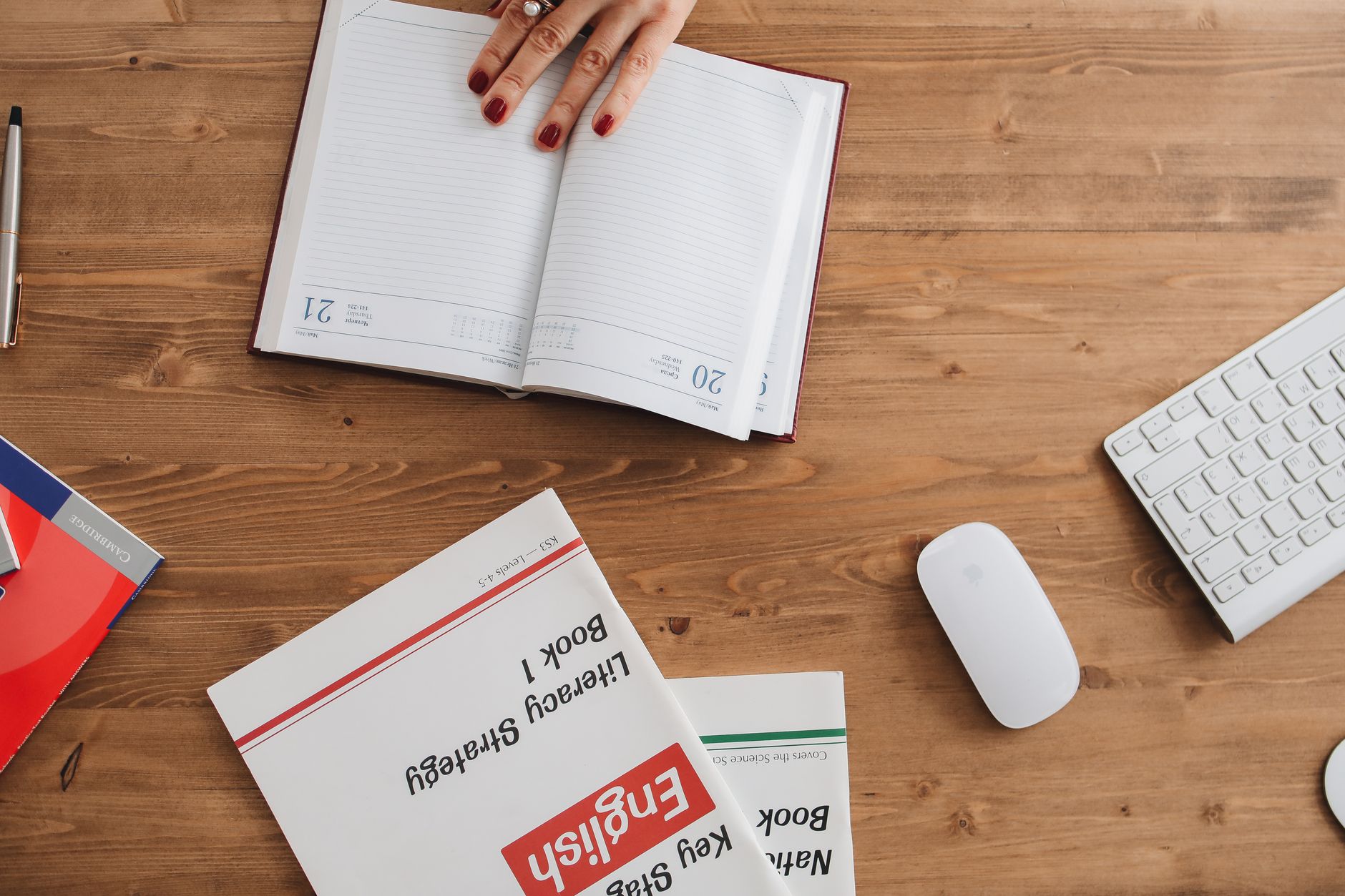
Language learning and Bitcoin have more in common than most people realise. Both reward patience, both cross national borders effortlessly, and both are increasingly accessible to anyone with a smartphone. Bitcoin is now finding a practical home in the language learning market, with independent tutors, online course platforms, and in-country immersion programmes starting to accept crypto as a legitimate payment method. For Australians who study languages as a hobby or a career tool, that's a genuinely useful development.
Why language learners are turning to Bitcoin
The language learning industry is global by nature. A student in Brisbane might hire a Mandarin tutor based in Taiwan, pay for a Spanish grammar course hosted on a European platform, or book a week-long immersion homestay in Colombia. Each of those transactions traditionally involves currency conversion, international transfer fees, and sometimes days of waiting for payments to clear.
Bitcoin removes most of that friction. A payment sent from the Gold Coast to a tutor in Istanbul settles in minutes, without a bank in the middle charging a 3–4% conversion margin. For students who pay weekly or fortnightly for lessons, those savings compound quickly. For tutors working across time zones, receiving Bitcoin means getting paid in full without a payment processor skimming a portion off the top.
This mirrors the broader pattern playing out across lifestyle spending. Just as Bitcoin has become a practical option for spending crypto on cooking classes, language education is following the same path: skilled instructors who work independently are often the earliest adopters, because the benefit to them is immediate and obvious.
Where you can already spend Bitcoin on language learning
The options aren't uniform, but they're growing. Three broad categories currently accept crypto with varying degrees of consistency.
- Independent tutors on peer-to-peer platforms. Tutors who list themselves on platforms like iTalki or Preply can often arrange direct payment via Bitcoin outside the platform's own payment rails, particularly for repeat students with whom they've built trust.
- Crypto-native learning platforms. A small number of language platforms built natively around Web3 principles accept Bitcoin directly. These tend to cater to self-directed learners comfortable with digital wallets.
- Immersion programme operators. Some language schools in Latin America, Eastern Europe, and Southeast Asia accept Bitcoin for tuition, accommodation, and activity packages, particularly in countries where local currency volatility makes holding USD or EUR preferable.
How to find tutors who accept Bitcoin
Finding a tutor who accepts Bitcoin takes a little more legwork than a standard search, but the approach is straightforward. Start by browsing tutor profiles on major platforms and filtering for tutors based in countries with active Bitcoin communities: El Salvador, Argentina, Nigeria, and the Philippines all have strong grassroots adoption. Message tutors directly and ask. Many are open to the idea even if they haven't advertised it.
Community forums are another reliable channel. Language learning communities on Reddit, Discord, and dedicated Facebook groups often have threads where tutors announce Bitcoin payment options. Crypto-focused communities are increasingly crossover spaces where language enthusiasts and Bitcoin holders congregate.
For immersion programmes, email the school directly before booking. Schools in countries with high inflation, like Argentina, are often genuinely enthusiastic about accepting Bitcoin because it protects their revenue from currency depreciation between booking and arrival.
Paying for courses and subscriptions with Bitcoin
Subscription-based language apps present a slightly different challenge. Apps like Duolingo and Babbel don't currently accept Bitcoin directly. The practical workaround most Bitcoin holders use is purchasing a gift card with crypto and redeeming it for app subscriptions. Platforms that sell gift cards for Bitcoin cover most major retailers and app stores, so this approach works consistently.
For larger course purchases, platforms like Udemy and Coursera periodically accept crypto through third-party integrations. Checking at checkout is always worth doing, since payment options on these platforms change as crypto adoption expands.
If you're already thinking about how to get the most from your Bitcoin holdings while spending on lifestyle goals, it's worth understanding how Bitcoin rewards programs work. Some rewards-based cards let you earn satoshis on everyday spending, including subscription services, which effectively makes your language learning habit a small ongoing accumulation strategy.
Things to keep in mind before you pay
A few practical points matter before you send crypto to a tutor or programme operator.
First, confirm the tutor's Bitcoin address before every payment, not just the first time. Address substitution fraud is rare in one-on-one tutor relationships but not unheard of. Always verify via a secondary channel if the address is sent to you digitally.
Second, remember that in Australia the ATO treats Bitcoin spending as a disposal event. If you've held the Bitcoin you're spending and its value has appreciated since you bought it, you may have a capital gains obligation to record. Keep a note of the AUD value of Bitcoin at the time of each payment. This applies to a $50 lesson fee just as it does to a larger purchase.
Third, agree on the currency basis of the lesson fee upfront. Some tutors prefer to invoice in their local currency and receive the Bitcoin equivalent at the day's rate. Others prefer to invoice in a fixed Bitcoin amount. Either approach works, but clarity avoids disputes if the price moves significantly between booking and payment.
The bigger picture for Bitcoin lifestyle spending
Language learning sits comfortably within the growing category of lifestyle spending where Bitcoin is quietly becoming practical. It's not a novelty use case. It solves a real problem: paying skilled people in other countries efficiently, without excessive fees and delays. As more tutors and independent educators discover that Bitcoin simplifies their international income, acceptance will grow.
McLeod Pacific Investments helps Australians buy and sell Bitcoin through straightforward trading services. Whether you're building a holding for long-term investment or looking to spend crypto on experiences like language learning, understanding how Bitcoin moves and what it costs matters. The fundamentals of how Bitcoin transactions work apply just as much to a $60 lesson payment as to a larger trade.