
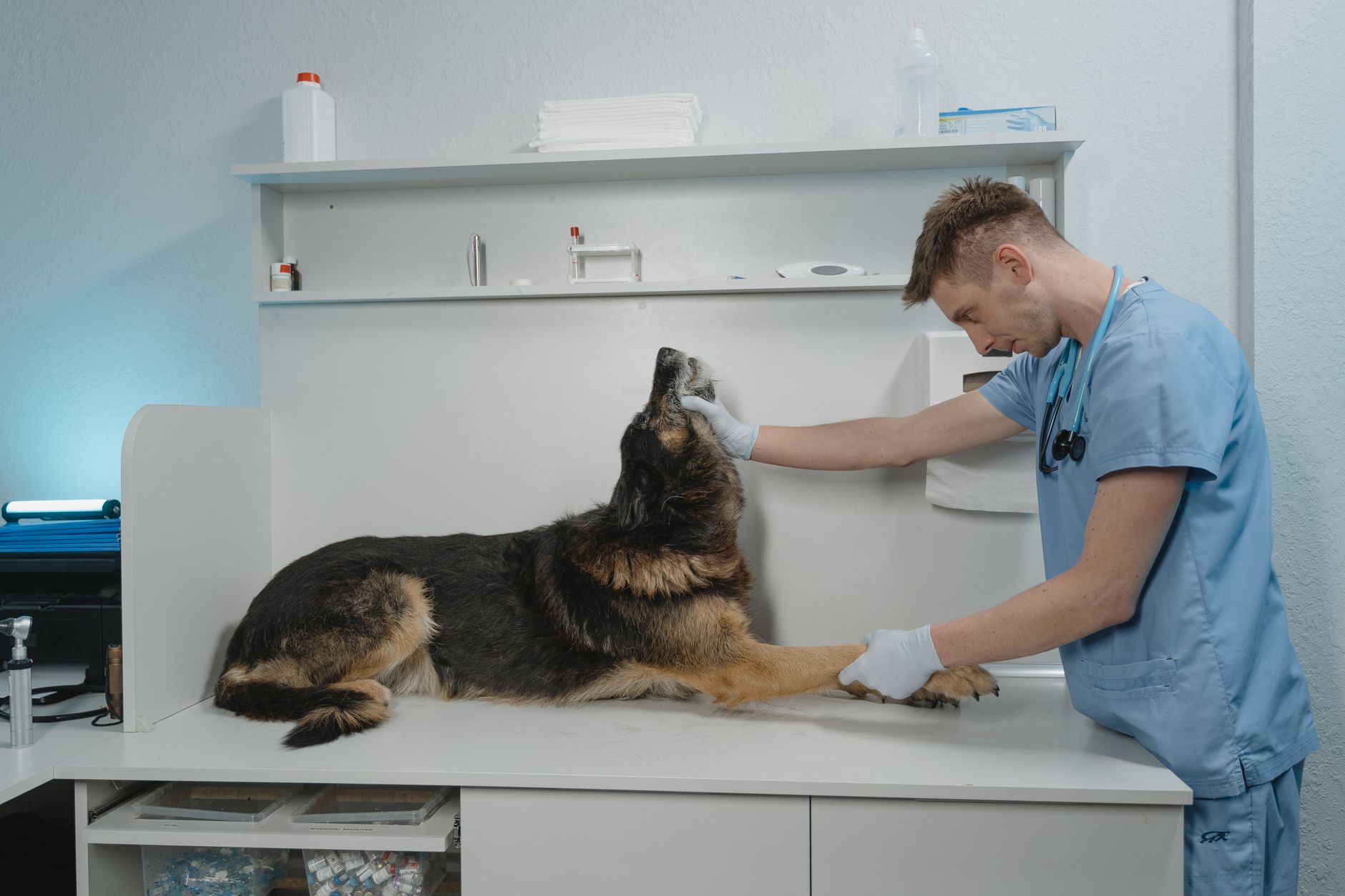
Taking a pet overseas is one of the most logistically demanding things a traveller can do. Vaccination certificates, import permits, airline cargo fees, quarantine checks, and the very real possibility of an unexpected vet visit in a country where your bank card doesn't cooperate. Bitcoin is starting to make that last part easier. A growing number of international veterinary clinics, pet-relocation services, and specialist boarding facilities now accept crypto, giving pet owners a borderless payment option that doesn't depend on your home bank's foreign transaction policies.
Why international vet payments are harder than they look
Most Australian pet owners have a Medicare-style reflex when something goes wrong: walk in, pay, claim later. Overseas, that reflex fails. Foreign vet clinics often require upfront payment in local currency, and Australian debit cards regularly get declined or charged heavy conversion fees at the point of terminal. Credit cards work more reliably, but cash advances on a card in a country like Japan or Portugal carry fees that compound fast.
Bitcoin sidesteps this entirely. You're not going through a card network, not paying a foreign transaction surcharge, and not waiting for an international wire to clear. McLeod Pacific Investments helps Australian pet owners buy Bitcoin before they travel, so funds are ready before the trip rather than scrambled for mid-crisis.
What international pet costs look like in practice
The expenses that catch pet owners off guard abroad tend to cluster into four categories. Emergency veterinary consultations in major cities like Bangkok, Amsterdam, or Dubai can run from AUD 200 to over AUD 2,000 depending on complexity. Specialist boarding facilities, particularly those accredited for holding animals during quarantine periods, charge per-night rates that vary wildly by country. Pet relocation companies, which handle the logistics of moving an animal by cargo or cabin, often quote in US dollars and prefer bank transfer or crypto for international clients. And government-mandated health inspections at ports of entry can involve on-the-spot fees payable to third-party veterinary inspectors.
None of these costs are easily absorbed by a travel card with a daily limit.
How to set up Bitcoin for pet travel payments
The practical setup is simpler than most people assume. Before departure, buy enough Bitcoin to cover your estimated worst-case vet scenario. A mobile wallet like BlueWallet lets you hold and send Bitcoin from your phone, which is where you'll be managing everything anyway. Keep a cold backup of your wallet's seed phrase stored separately from the phone itself. Don't rely on exchange accounts alone, because accessing a centrally held exchange balance in a foreign country, over a hotel Wi-Fi connection, is a real security risk.
If you're new to the mechanics of how Bitcoin moves, it's worth understanding what a Bitcoin transaction ID is and how to use it before you travel. In a payment dispute with a foreign provider, the transaction ID is your receipt. It's timestamped, immutable, and internationally verifiable without any bank involvement.
Clinics and services actually accepting Bitcoin
Acceptance is patchy but growing. The most reliable approach is to search for Bitcoin-accepting vet clinics in your destination country before you leave, not on arrival. In Europe, a cluster of clinics in Germany, the Netherlands, and Portugal have added crypto payment options. Several pet-relocation logistics firms operating out of Singapore and Dubai accept Bitcoin for full relocation packages. Some quarantine facilities in the UK now list crypto as a valid payment method on their booking pages.
In countries where vet clinics haven't caught up, peer-to-peer payment still works if the vet is willing to receive a direct transfer. It's worth asking. Many vets running private practices in tourist-heavy regions have encountered crypto-paying foreign clients before and are more open to it than you'd expect.
What about quarantine and government fees?
Government-mandated fees, like biosecurity inspections and import permits, are almost never payable in Bitcoin directly. These go through official payment channels. Plan for those in local currency or on a travel card. Bitcoin is most useful for the private-sector costs: the vet, the specialist, the boarding facility, the relocation agent. Keep both options available and know which is which before the trip.
For Australian pet owners who already hold Bitcoin for broader spending purposes while travelling, adding a pet-related allocation to that budget is straightforward. It's the same wallet, same network, same process. The only difference is that the counterparty happens to be a vet clinic rather than a hotel.
Quarantine countries and payment complexity
Australia, New Zealand, and Japan sit in a tier of countries with the strictest import requirements for animals. If you're bringing a pet back into Australia after an overseas posting, you'll deal with the Department of Agriculture's biosecurity requirements for cats and dogs, which include mandatory stays at approved facilities. Those facilities operate as private businesses and set their own payment policies. Several of them have started accepting Bitcoin for long-stay bookings, particularly for expats relocating from countries like the US, UK, or UAE where crypto adoption among professional services is higher.
Practical tips before you leave
- Research Bitcoin-accepting vet clinics in your destination before departure, not on arrival.
- Hold Bitcoin in a self-custody mobile wallet, not solely on an exchange, to avoid access issues abroad.
- Keep your seed phrase backed up somewhere separate from your phone, in case of loss or theft.
- Know your transaction ID process so you can produce a verifiable payment receipt on the spot.
Travelling with a pet takes more preparation than most trips, and payment logistics are a part of that preparation most guides skip entirely. Bitcoin won't replace every payment method you need abroad, but for the expensive, unpredictable, time-sensitive moments that international vet care tends to produce, it's a genuinely useful option to have ready before you board.