
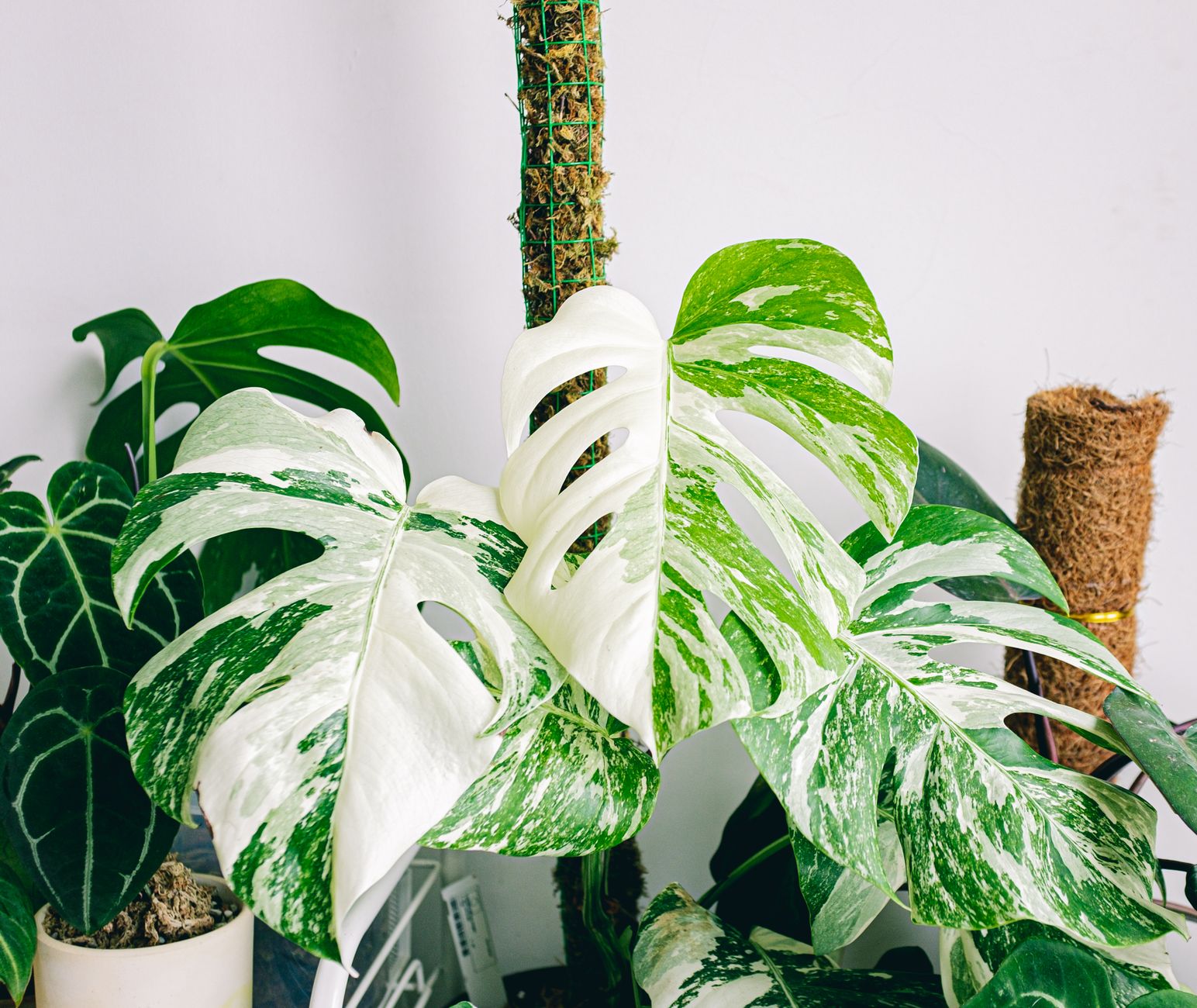
Bitcoin and houseplants might seem like an unlikely pairing, but the plant hobby has quietly become one of the more crypto-friendly corners of retail. Independent sellers, rare plant importers, and specialist subscription boxes are increasingly open to Bitcoin payments, giving plant enthusiasts a borderless, low-fee way to shop for their passion. If you collect rare aroids, build out a tropical indoor jungle, or simply buy seeds in bulk from overseas, Bitcoin is worth understanding as a payment option.
Where plant sellers are accepting Bitcoin
The plant hobby is heavily driven by small, independent operators. Nurseries, hobbyist growers, and online marketplaces hosting individual collectors sit outside the mainstream retail world, and that makes them natural candidates for Bitcoin adoption. A number of rare plant sellers operating through platforms like Etsy accept crypto payments directly by arrangement, and dedicated plant marketplaces with crypto checkout options have emerged in the US, UK, and parts of Southeast Asia.
Subscription box services focused on rare seeds, tropical cuttings, and curated monthly drops are another active area. Because many of these businesses operate cross-border, the cost of traditional payment processing hits them hard. Bitcoin sidesteps the currency conversion fees that eat into margins on a $30 cutting order sent from Thailand to Queensland.
Specialist rare plant auctions are also a growing space. High-value specimens, particularly variegated monsteras and limited-edition cultivars, can trade at prices where Bitcoin's irreversibility and peer-to-peer settlement is genuinely useful. If you've ever paid four figures for a single cutting, you already understand why sellers prefer a payment method that doesn't reverse.
Buying seeds and growing supplies with Bitcoin
Seed suppliers have been some of the earliest plant-adjacent businesses to accept crypto. Several online seed banks serving the Australian market accept Bitcoin at checkout, often offering a modest discount for doing so because they avoid card processing fees entirely. Fertiliser suppliers, grow-light retailers, and hydroponic equipment stores have followed, particularly those targeting indoor growers who skew tech-savvy.
Soil amendments, terracotta pots, and propagation supplies are less commonly priced in Bitcoin, but gift cards bridge the gap neatly. Buying gift cards with Bitcoin lets you convert your crypto into store credit at Bunnings and other major hardware retailers, which means your entire growing setup can effectively be funded through Bitcoin without waiting for your local nursery to install a crypto checkout.
International plant trades and peer-to-peer sales
The rare plant community is global and extremely active in peer-to-peer trading. Facebook groups, Discord servers, and dedicated plant swap communities facilitate direct sales between collectors worldwide. Bitcoin is well-suited to this kind of trade. A Bitcoin peer-to-peer transaction cuts out the intermediary entirely, so a collector in Brisbane can pay a grower in Bogotá without either party absorbing a 4% PayPal fee or dealing with a currency conversion spread.
Plant trades between private individuals carry their own risks, of course. Bitcoin's irreversibility means you should only transact with sellers who have a verifiable track record. Reputable plant community forums maintain feedback systems, and cross-checking a seller's history before sending any payment is essential. The same care applies whether you're paying in Bitcoin or any other method.
What to know about fees and timing
Bitcoin network fees fluctuate with demand. For a single cutting purchase in the $50 to $200 range, a high-fee period can make the transaction uneconomical. Timing purchases for periods when the mempool is quieter reduces that cost significantly. Alternatively, sellers who accept Bitcoin via the Lightning Network process payments with near-zero fees regardless of network conditions, which is worth asking about before you commit.
For larger purchases, like a full collection acquisition or a wholesale order of rare tropicals, the fee becomes negligible relative to the transaction value. A $2,000 plant purchase with a $3 Bitcoin fee is a far better outcome than a $2,000 wire transfer attracting $30 in bank fees plus a currency conversion margin.
Privacy and the plant hobby
Plant collectors who source rare or legally sensitive species internationally sometimes value the additional privacy that Bitcoin offers. It's worth being clear: Bitcoin payments are pseudonymous, not anonymous, and Australian customs requirements apply regardless of how you pay. But for collectors who simply prefer not to have every hobby purchase catalogued by their bank, paying with Bitcoin provides a degree of separation that credit cards don't offer.
McLeod Pacific Investments helps Australians buy and sell Bitcoin through a registered Digital Currency Exchange service. Whether you're setting up a Bitcoin wallet for the first time or looking to convert holdings into spending power for your next plant haul, McLeod Pacific Investments provides education and trading support for beginners and experienced holders alike.
Getting started as a plant-collecting Bitcoin user
The practical path is straightforward. Set up a Bitcoin wallet, buy Bitcoin through a registered exchange like McLeod Pacific Investments, and then research which of your preferred plant sellers accept crypto directly. For sellers who don't, gift card conversion is a reliable workaround. Keep a small spending balance separate from your long-term holdings so you're not disrupting a savings strategy every time you spot a plant you need.
The plant hobby rewards patience, whether you're waiting for a cutting to root or watching a market dip before adding to your Bitcoin position. Both habits sit well together.