
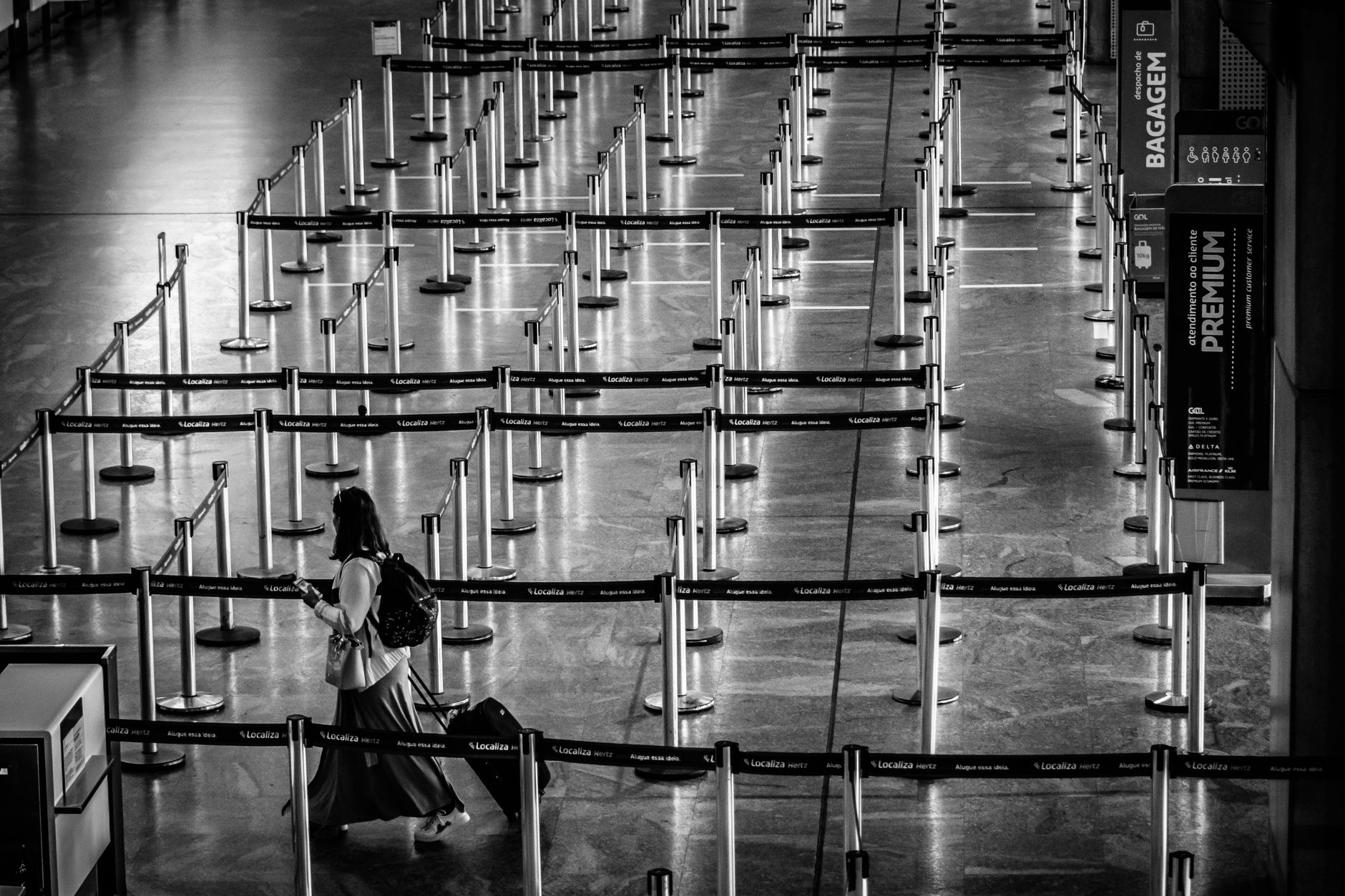
Solo travel already strips away a lot of financial friction. No splitting bills, no group funds, no arguing over who booked what. Add Bitcoin to the mix and you remove another layer: the currency conversion treadmill that quietly drains your budget every time you cross a border. McLeod Pacific Investments works with Australians who want to hold and spend Bitcoin in the real world, and solo travel is one of the clearest use cases we hear about from our clients.
Why solo travellers find Bitcoin useful
The case isn't abstract. When you're travelling alone, every cost lands on one person. Foreign exchange spreads, ATM withdrawal fees, and card surcharges add up faster when there's no one to share them with. Bitcoin sidesteps most of that. You send directly to a merchant's wallet, or use a Bitcoin debit card where the conversion happens at point of sale, and the fees are a fraction of what a bank charges for the same transaction.
There's also the security angle. A solo traveller carrying a wallet full of local cash is a visible target. Keeping most of your travel budget in a non-custodial Bitcoin wallet means your funds aren't tied to a physical object that can be pickpocketed. If your phone is stolen, your Bitcoin stays in your wallet as long as your seed phrase is safe. That said, digital security on the road needs attention too. If you're accessing your wallet over public networks, how to safely use Bitcoin on a public Wi-Fi hotspot abroad is worth reading before you leave.
Where you can actually spend it
Acceptance varies a lot by region, and that's the honest answer. Southeast Asia, parts of Europe, and Central America have pockets of strong Bitcoin adoption. Bali, Prague, and El Salvador (which made Bitcoin legal tender in 2021) stand out. In those places, you'll find hostels, cafés, tour operators, and markets that take crypto directly.
Outside those hotspots, the more practical route is a Bitcoin debit card. Services like Bitrefill also let you convert Bitcoin into local gift cards for supermarkets, transport apps, and accommodation platforms. It's not the purity of a direct wallet-to-wallet payment, but it works in most countries and keeps your Bitcoin as the base layer of your travel budget.
Booking flights and accommodation is where the options have expanded most. Platforms such as Travala accept Bitcoin directly for hotels and flights across hundreds of destinations, and the savings on international booking fees can be meaningful for longer trips. For a broader look at what's actually working in the travel space, our article on spending Bitcoin on travel covers the main platforms and workarounds in detail.
Managing your budget as a solo traveller
Solo travel budgeting is simpler in one sense: you only track your own spending. But volatility is a real consideration. If you're carrying three months of budget in Bitcoin and the price drops 20% in week one, that hurts more than if you'd converted to local currency at the airport.
A practical approach most experienced solo travellers use: convert what you need for the next two to four weeks into a stablecoin or local currency equivalent, and keep the rest in Bitcoin. That way you're not forced to sell at a bad time, and you're not over-exposed to short-term price moves while you're focused on navigating a new city.
For solo travellers who also think of their Bitcoin as a long-term holding, the decision of when to spend versus hold is worth thinking through before you leave. It's the same logic that applies to any investor weighing their position, and it connects directly to Bitcoin floor price thinking: knowing the price below which you won't sell helps you avoid making reactive decisions on the road when you need funds quickly.
Security habits that matter more when you're alone
Travelling with a companion means someone notices if you're acting strangely after a scam attempt, or helps you retrace your steps if your device goes missing. Solo, those safety nets are gone. Bitcoin security needs to be automatic, not something you think about after the fact.
Three habits make a real difference:
- Use a hardware wallet for anything above your daily spending amount. Keep only a small float in a mobile hot wallet.
- Write your seed phrase down before you leave and store it separately from your device, not in the same bag.
- Never access your main wallet on a hotel, hostel, or café computer. Check balances only on your own device, on your own mobile data connection.
The last point is easy to let slide when you're tired and the hostel's desktop is right there. Don't. A compromised computer can capture your credentials or redirect your clipboard to a different wallet address without you noticing until it's too late.
Practical tips before you depart
Set up your wallet and test a small transaction at home before you travel. Discovering you've misunderstood the fee settings when you're trying to pay for a tour in a different time zone is avoidable stress. Download an offline backup of your wallet's QR code if the platform allows it, so you can receive funds even without internet. And tell at least one trusted person back home where your seed phrase backup is kept, in case of emergency.
Solo travel is one of the most rewarding ways to see the world. Bitcoin, used carefully, genuinely fits the lifestyle: borderless, self-sovereign, and available at any hour without a bank branch in sight.