
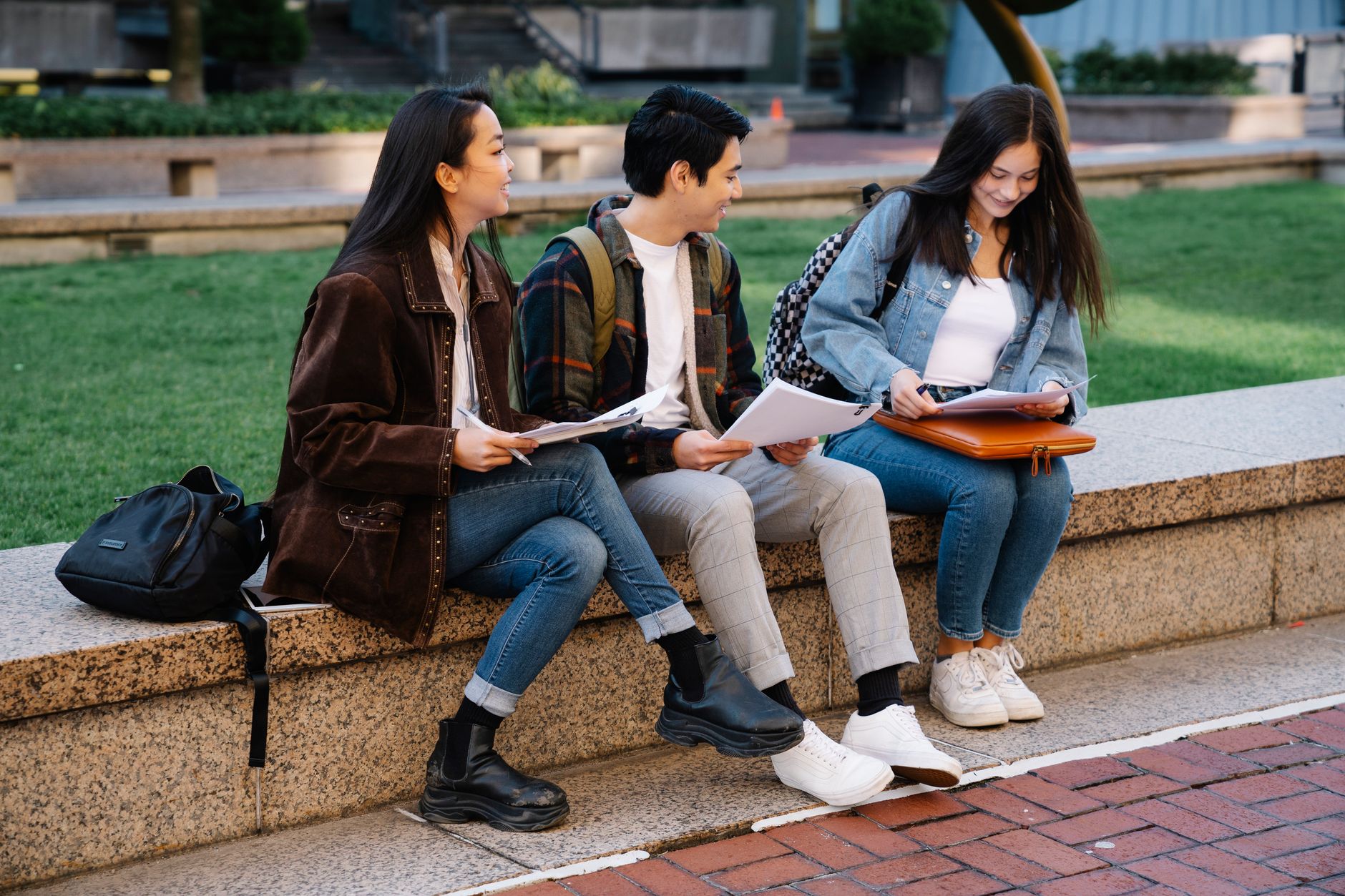
University life comes with a specific set of financial headaches: textbooks that cost more than a week's groceries, shared accommodation deposits that need splitting between four people, and international students transferring money from parents abroad at whatever rate the bank feels like charging that week. Bitcoin is quietly becoming a practical tool for navigating all of this. McLeod Pacific Investments works with students and young Australians entering the crypto market, and the campus use cases are more real than most people expect.
Paying for textbooks and course materials
Textbooks are one of the most immediate pain points for any student. A single semester's core texts can cost $400 to $600, and the big publishing platforms have been slow to accept anything other than a credit card. The workaround many students already use is buying gift cards with Bitcoin, converting crypto into store credit for Amazon or Book Depository and spending it on textbooks without touching a bank account. It takes about two minutes.
Beyond that, peer-to-peer textbook sales between students are a natural fit for Bitcoin. No PayPal fees, no waiting for a bank transfer to clear, no disputes over who has the right BSB. One student sends, the other receives. The transaction confirms within minutes on-chain, or near-instantly if both parties use the Lightning Network.
Shared accommodation and splitting costs
Student share houses involve constant small transactions: rent, utilities, groceries, the communal Netflix account. Apps like Splitwise track who owes what, but the actual payment still goes through a bank. Bitcoin cuts that friction for housemates who are willing to set up a basic wallet. There's no minimum transfer amount, no bank holiday delays, and no fee for sending $40 to a housemate on the other side of the country during the summer break.
International students face a harder version of this problem. Many arrive in Australia without a local bank account for the first several weeks, waiting on identity verification and account approval. Bitcoin gives them a way to receive money from family immediately, convert what they need, and pay for essentials while the banking paperwork catches up. McLeod Pacific Investments offers straightforward Bitcoin purchasing options in Australia that work well for this kind of practical, short-term use.
International students and cross-border transfers
This is where Bitcoin's value is clearest. A bank wire from a parent in Malaysia, India, or Brazil to a student in Brisbane can take three to five business days and cost $25 to $50 in fees at each end. The exchange rate is set by the bank, not the market. A Bitcoin transfer takes the same path regardless of origin country, costs a fraction of the equivalent bank fee, and settles within an hour at most.
Students receiving regular support payments from overseas are often among the first people to genuinely understand why Bitcoin exists. The value isn't abstract. It's the $50 in fees they didn't pay, the two days they didn't wait, the money that arrived on a Sunday.
Campus merchants and student-run businesses
Student unions, campus markets, and independent sellers on campus are some of the more flexible merchants when it comes to payment methods. Student-run businesses, from handmade goods stalls at orientation week markets to tutoring services run by third-year students, don't have the same compliance overhead as established retailers. Many are happy to accept Bitcoin via a QR code displayed on a phone screen.
Student newspapers and campus media outlets have also started accepting Bitcoin for ad placements and subscriptions, following a broader trend documented in the way Bitcoin is changing journalism and media payments. For a student freelancer or content creator, getting paid in Bitcoin rather than waiting for a slow bank payment is a genuine improvement.
Managing money on a student budget
Bitcoin isn't a budgeting tool in the traditional sense. But for students already interested in long-term financial habits, it fits well alongside a savings discipline. A student who puts $30 a fortnight into Bitcoin isn't making a complicated investment decision. McLeod Pacific Investments supports fractional purchases, so there's no minimum beyond what the student can afford.
The key is keeping amounts modest, using a reputable exchange, and storing funds in a wallet the student controls rather than leaving them on a platform. A basic hot wallet on a phone is fine for small amounts used regularly. Anything worth keeping longer sits better in cold storage, but that's a conversation for after the first semester.
What students should know before starting
Bitcoin is a legitimate financial tool, but students should go in clear-eyed about three things. First, the price moves. Don't hold more in Bitcoin than you can afford to see drop 30% in a week, because that does happen. Second, transactions are irreversible. Double-check every address before sending. Third, the ATO treats Bitcoin as a capital asset, so any gain made between buying and spending is technically a taxable event. For small amounts and frequent spending, the tax impact is usually negligible, but it's worth knowing.
Starting with a small purchase, getting familiar with how a wallet works, and making one or two real transactions is the fastest way to get comfortable. McLeod Pacific Investments offers education and training for beginners, which is well suited to students approaching Bitcoin for the first time with a practical purpose rather than a speculative one.