
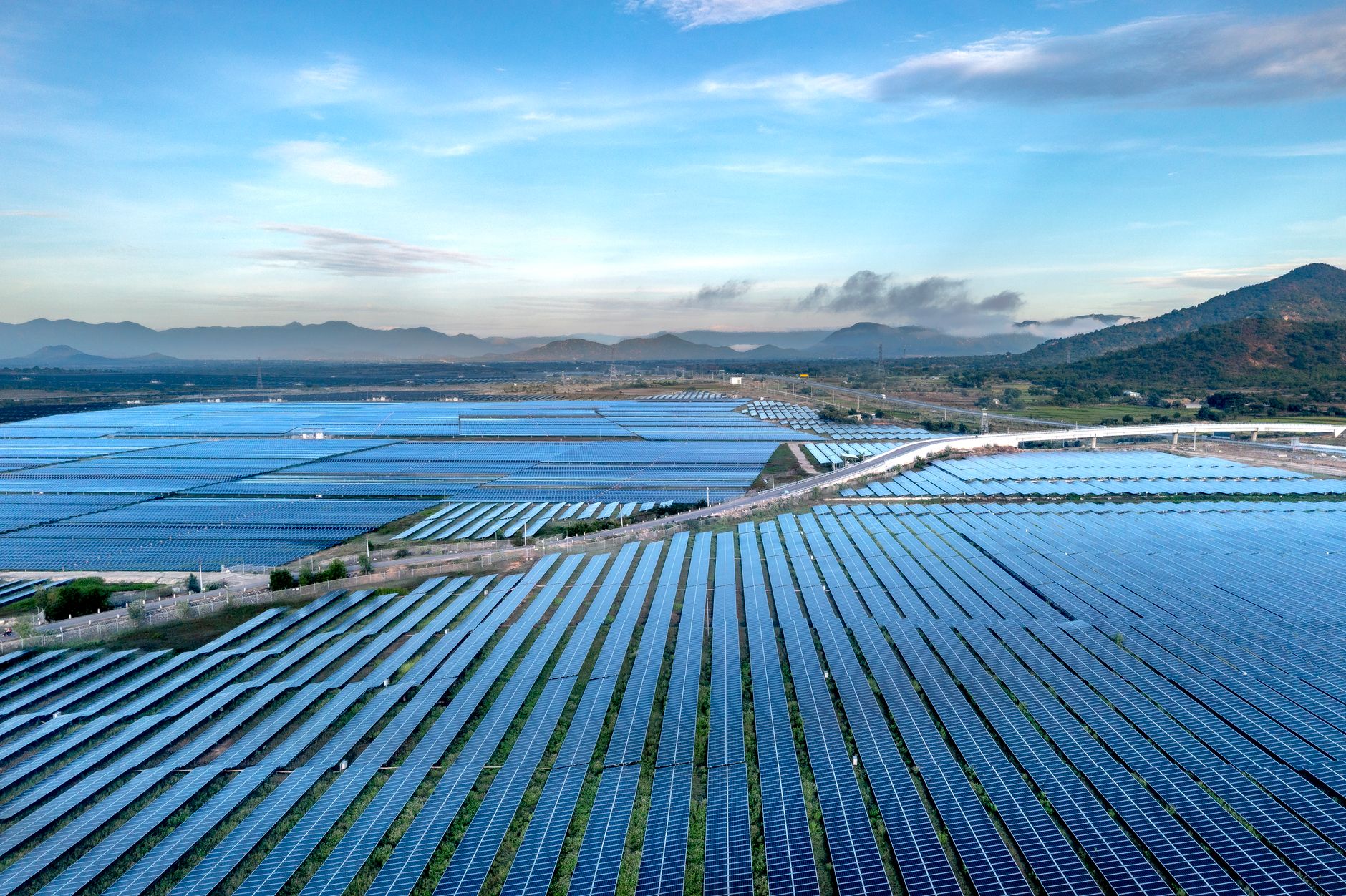
Bitcoin and the energy sector are converging in ways that go well beyond the familiar debate about mining's electricity consumption. Power producers, grid operators, and renewable energy developers are discovering that Bitcoin offers a practical tool for monetising stranded energy, absorbing excess supply, and even financing clean infrastructure. The relationship is more commercial than ideological, and it's worth understanding for anyone watching how Bitcoin fits into the broader digital economy.
How Bitcoin mining turns stranded energy into revenue
Energy grids rarely run at perfect efficiency. Hydroelectric dams in remote regions, wind farms at off-peak hours, and gas flaring sites at oil fields all produce power that either goes to waste or depresses wholesale prices below the cost of generation. Bitcoin mining gives energy producers a buyer of last resort that can be switched on and off within minutes.
In practice, a mining operation co-located with a power plant can absorb output that would otherwise be curtailed. The plant earns revenue it would have forfeited. In regions like British Columbia and Iceland, hydroelectric operators have been doing exactly this since the early 2020s. The mining operation doesn't need proximity to a city or a transmission line. It just needs power and internet connectivity.
This model works particularly well for flared gas. At oil extraction sites, gas that can't be economically transported is burned off, releasing methane and carbon dioxide for zero return. Portable mining rigs connected to small generators can convert that gas into electricity and then into Bitcoin on-site, turning a waste stream into a revenue stream. Companies operating in Texas, North Dakota, and parts of the Middle East have run this model commercially, with measurable reductions in methane emissions compared to standard flaring practice.
Grid balancing and demand response
One of the least appreciated qualities of Bitcoin mining is its interruptibility. Unlike a smelter or a data centre running customer workloads, a Bitcoin mining facility can curtail its power draw within seconds without damaging any process or losing data. Grid operators prize this flexibility.
Texas's ERCOT grid, which has faced well-publicised reliability challenges, has enrolled large Bitcoin miners as demand response participants. When grid frequency drops and supply tightens, miners voluntarily reduce load in exchange for financial credits. ERCOT has documented instances where mining demand response contributions exceeded 1,000 megawatts during stress events. That's a material contribution to grid stability that didn't require building a single new power plant.
Australia's National Electricity Market faces similar dynamics, particularly as solar generation creates midday surplus and evening demand peaks. Bitcoin mining operations positioned to absorb excess midday solar output and curtail during evening peaks could replicate this balancing function locally. McLeod Pacific Investments follows these developments closely because the energy-Bitcoin relationship directly shapes the long-term economics of the network.
Renewable energy financing and Bitcoin treasury models
A smaller but growing number of renewable energy developers are holding Bitcoin on their balance sheets rather than converting all mining revenue to fiat currency immediately. The logic mirrors the corporate treasury strategy that companies like MicroStrategy adopted from 2020 onward: Bitcoin as a store of value that hedges against the currency risk embedded in long-duration infrastructure assets.
For a solar developer building projects with 20-year revenue contracts denominated in Australian dollars, holding some Bitcoin alongside cash provides an asymmetric option on a harder monetary asset. It's speculative, and it adds volatility to the balance sheet, but several North American and European developers have moved in this direction since 2024.
Bitcoin also opens direct financing options. Energy companies have raised capital by issuing bonds to Bitcoin holders who want yield-generating exposure without selling their crypto. The energy firm gets construction capital. The Bitcoin holder gets a yield. The settlement can happen in Bitcoin or in fiat, depending on the agreement. It's a niche arrangement today, but it reflects the same dynamic described in our piece on Bitcoin and supply chain finance: cutting out the middlemen.
The energy consumption debate, put in context
Critics of Bitcoin mining routinely cite its electricity consumption as evidence of wastefulness. The numbers are real: the Bitcoin network consumes roughly 120–150 terawatt-hours of electricity per year by most recent estimates, comparable to the annual consumption of a mid-sized country. But consumption alone isn't the relevant measure. The source of that electricity and its alternative use matter far more.
The Bitcoin Mining Council, a voluntary industry body, reported in 2024 that its member firms sourced more than 58% of their electricity from renewable or sustainable sources. That figure is contested and self-reported, but the directional trend is clear: miners follow the cheapest power, and cheap power is increasingly renewable power. A solar farm in West Texas producing electricity at two cents per kilowatt-hour will attract a miner. A coal plant in Germany producing power at twelve cents won't.
The economic gravity of cheap renewable energy and the portability of Bitcoin mining infrastructure are pulling the two industries together. That alignment isn't guaranteed to deepen, but the commercial incentives point firmly in that direction.
What this means for Australian energy markets
Australia generates a substantial and growing share of its electricity from solar and wind. The problem is temporal: solar peaks at midday when demand is lower, and the grid sometimes pays generators to curtail output. Bitcoin mining offers one mechanism for absorbing that excess without requiring battery storage, which remains expensive at scale.
The Australian Energy Market Operator has acknowledged demand flexibility as a key tool in managing the transition to higher renewable penetration. Bitcoin mining isn't explicitly in their modelling, but the operational characteristics fit the requirements. A large-scale mining facility in Queensland or New South Wales could, in principle, function as a programmable load that tightens during evening peaks and opens wide during midday solar surges.
For investors, the intersection of Bitcoin and energy introduces a new way to think about both assets. Bitcoin's value is partly underpinned by the cost of the energy required to produce it. As that energy shifts toward renewables with low marginal cost, the long-run economics of mining change in ways worth tracking alongside conventional price metrics. Our coverage of how Bitcoin is reshaping the digital economy explores the broader structural shifts at play.
Risks worth considering
The energy-Bitcoin relationship carries genuine risks. Regulatory exposure is the most immediate. Several US states and European jurisdictions have imposed or proposed moratoriums on new mining operations citing grid strain or environmental concerns. Australia has no such restrictions at present, but the policy environment can shift quickly when energy affordability becomes a political issue.
Bitcoin price volatility also creates cash flow risk for energy companies that mine and hold. A miner that covers its operating costs at a Bitcoin price of AUD 60,000 faces margin pressure if the price drops to AUD 40,000, even if the underlying power economics remain favourable. Energy firms entering mining need to model this carefully rather than treating Bitcoin revenue as reliable as a power purchase agreement.
Finally, the hardware cycle adds capital risk. Application-specific integrated circuit miners have a useful life of roughly three to five years before newer, more efficient models make them uncompetitive. Energy companies entering the sector need to factor in depreciation schedules and refresh cycles that are far shorter than typical infrastructure assets.
None of these risks are disqualifying. They're the ordinary risks of a maturing industry finding its commercial footing. For investors and businesses watching the space, understanding the energy layer of Bitcoin's economy is becoming as important as understanding its monetary properties. McLeod Pacific Investments helps clients engage with Bitcoin trading and tracks developments across the sectors where Bitcoin is finding genuine commercial traction, including the energy market covered here and the logistics industry, where Bitcoin is also moving freight.