
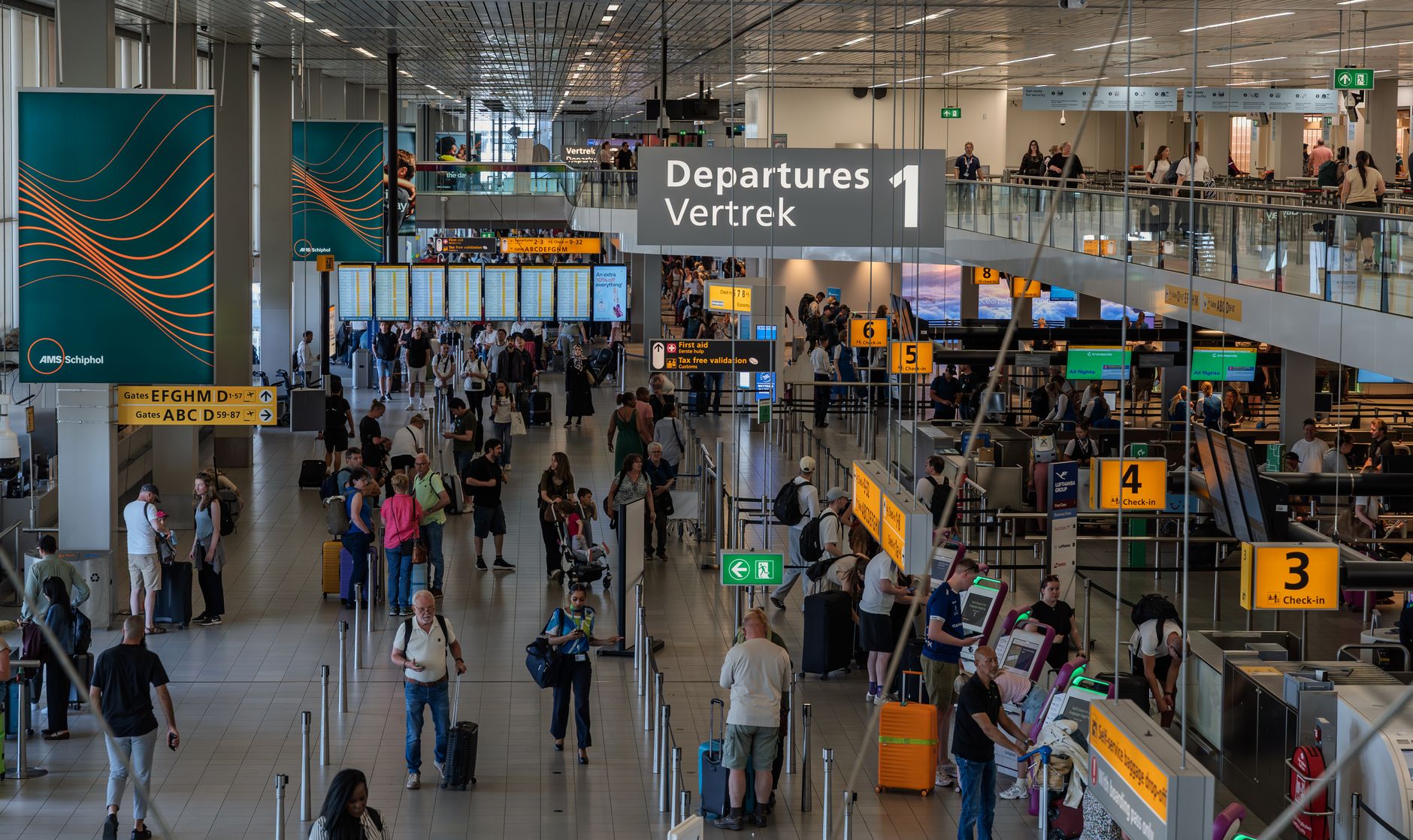
Bitcoin and the travel industry make a natural pair. Travel is inherently cross-border, payment friction is the industry's oldest problem, and Bitcoin is a currency with no fixed geography. Airlines, hotel chains, tour operators, and booking platforms are all starting to recognise that crypto settlement solves real problems, not hypothetical ones.
Where the friction actually sits in travel payments
Traditional travel payments involve a chain of intermediaries. A guest in Brisbane books a hotel in Lisbon through an OTA (online travel agency), which charges the guest in AUD, converts to EUR, settles with the property in a batch days later, and deducts a commission ranging from 15% to 25%. Every conversion carries a spread. Every bank transfer carries a fee. Every delayed settlement is a cash-flow problem for the property owner.
Bitcoin removes most of that chain. A payment from an Australian traveller settles directly to a hotel operator's wallet, typically within an hour for on-chain transactions, or near-instantly via the Bitcoin Lightning Network. No currency conversion markup. No OTA commission taken from the settlement. The operator receives what the guest intended to pay.
How hotels and accommodation providers are adopting crypto
A growing number of accommodation providers accept Bitcoin directly. Travala is the most prominent platform purpose-built for this: it lists over 2.2 million properties worldwide and accepts Bitcoin as a primary payment method. Independent boutique hotels in crypto-forward markets (Portugal, El Salvador, and parts of Southeast Asia) now list Bitcoin on their checkout pages alongside Visa and Mastercard.
For accommodation operators, the appeal is straightforward. Bitcoin removes chargebacks. Unlike a credit card payment, a confirmed Bitcoin transaction can't be reversed by the payer's bank six weeks later. In an industry where no-show disputes and fraudulent chargebacks cost properties real money each year, that finality has genuine commercial value.
Airlines and flight bookings
Direct Bitcoin acceptance at airline level is still limited, though it's expanding. Norwegian Air and airBaltic both accepted Bitcoin in earlier periods. In 2026, several booking aggregators including Travala and CheapAir bridge the gap, letting customers pay in Bitcoin for flights on hundreds of carriers. The traveller pays in BTC; the aggregator handles the fiat settlement with the airline.
The model works because the aggregator absorbs the conversion risk. It also means Bitcoin holders don't need to find an airline that directly accepts crypto. They just need a booking platform that does.
Cross-border supplier payments
Behind the scenes, travel supply chains are complex. A tour operator in Queensland might book ground transport in Italy, a local guide in Japan, and a villa in Greece, all for the same client, all requiring foreign currency payments. Wire transfers for each cost between $15 and $45 in bank fees and take 2 to 5 business days. Exchange rate risk compounds across multiple currencies.
Bitcoin settles any of those payments in one transaction, to any country, in under an hour. For smaller operators managing dozens of international supplier relationships, the cost saving across a season is material. This mirrors how Bitcoin has found traction in other logistics-heavy sectors, where the same cross-border payment problem exists. The dynamic is very similar to what's happening in the logistics industry, where settlement delays create real cash-flow problems for operators managing international supplier networks.
Digital nomads and long-term travellers
A specific cohort is driving Bitcoin adoption in travel faster than the casual holidaymaker: digital nomads. These are workers who move between countries on a long-term basis and who find that traditional banking creates constant friction. Cards get flagged for foreign transactions. International bank accounts are difficult to open. ATM fees stack up over months.
Bitcoin gives digital nomads a single financial instrument that works anywhere. They hold BTC, convert to local currency through a local exchange when needed, or pay directly at Bitcoin-accepting businesses. The infrastructure for this is improving in most major nomad destinations, including Chiang Mai, Lisbon, Medellín, and Bali.
What this means for Australian travellers
Australian travellers pay some of the world's highest foreign exchange margins at bank counters and airport kiosks. The gap between the interbank rate and the rate offered to a retail customer converting AUD to EUR or USD at a major bank typically runs between 2% and 4%. On a $10,000 travel budget, that's $200 to $400 in pure conversion cost before a flight departs.
Bitcoin doesn't eliminate that gap entirely, but it compresses it. Buying Bitcoin on a registered Australian exchange, then spending or converting it abroad, typically involves lower total fees than the bank-to-kiosk chain. The calculation depends on the exchange fees, the spread at conversion, and how the traveller uses the funds abroad. It's not a guaranteed saving on every trip, but it's a genuine alternative worth modelling.
McLeod Pacific Investments operates as a registered Digital Currency Exchange Provider on the Gold Coast, helping Australians buy and sell Bitcoin through a range of payment options. For travellers building a Bitcoin position ahead of an international trip, understanding the cost basis of each purchase matters as much as the travel plan itself.
Risks and practical limits
Bitcoin in travel isn't frictionless. Price volatility is the most obvious issue. A traveller who holds BTC for two weeks between purchase and payment is exposed to price movement in that window. Some travellers convert to a stablecoin for short-term travel spending; others accept the volatility as the cost of using a borderless asset.
Acceptance is also patchy. Outside of dedicated platforms and crypto-forward destinations, Bitcoin payment at hotels, restaurants, or transport providers is still the exception. The practical approach for most travellers in 2026 is hybrid: use Bitcoin for large, pre-planned purchases (accommodation, flight bookings, tour packages) through platforms that accept it, and carry a local card for incidental spending.
Tax obligations matter too. In Australia, spending Bitcoin is a disposal event for capital gains tax purposes. Every time a traveller pays for a hotel with BTC, the ATO treats it as a sale of Bitcoin at that day's AUD value. Keeping records of each transaction is not optional. Travellers who plan to spend Bitcoin abroad should understand that obligation before they book.
The direction of travel
The trend is clear. More platforms accept Bitcoin. Settlement infrastructure is faster. The Lightning Network is making micro-transactions practical for things like restaurant bills and transport fares. Adoption in travel is still in its early phase, but the direction is consistent. Providers who accept Bitcoin access a global customer base that actively seeks out crypto-friendly businesses. Travellers who hold Bitcoin gain a payment option that, in the right context, genuinely outperforms the traditional alternatives.