
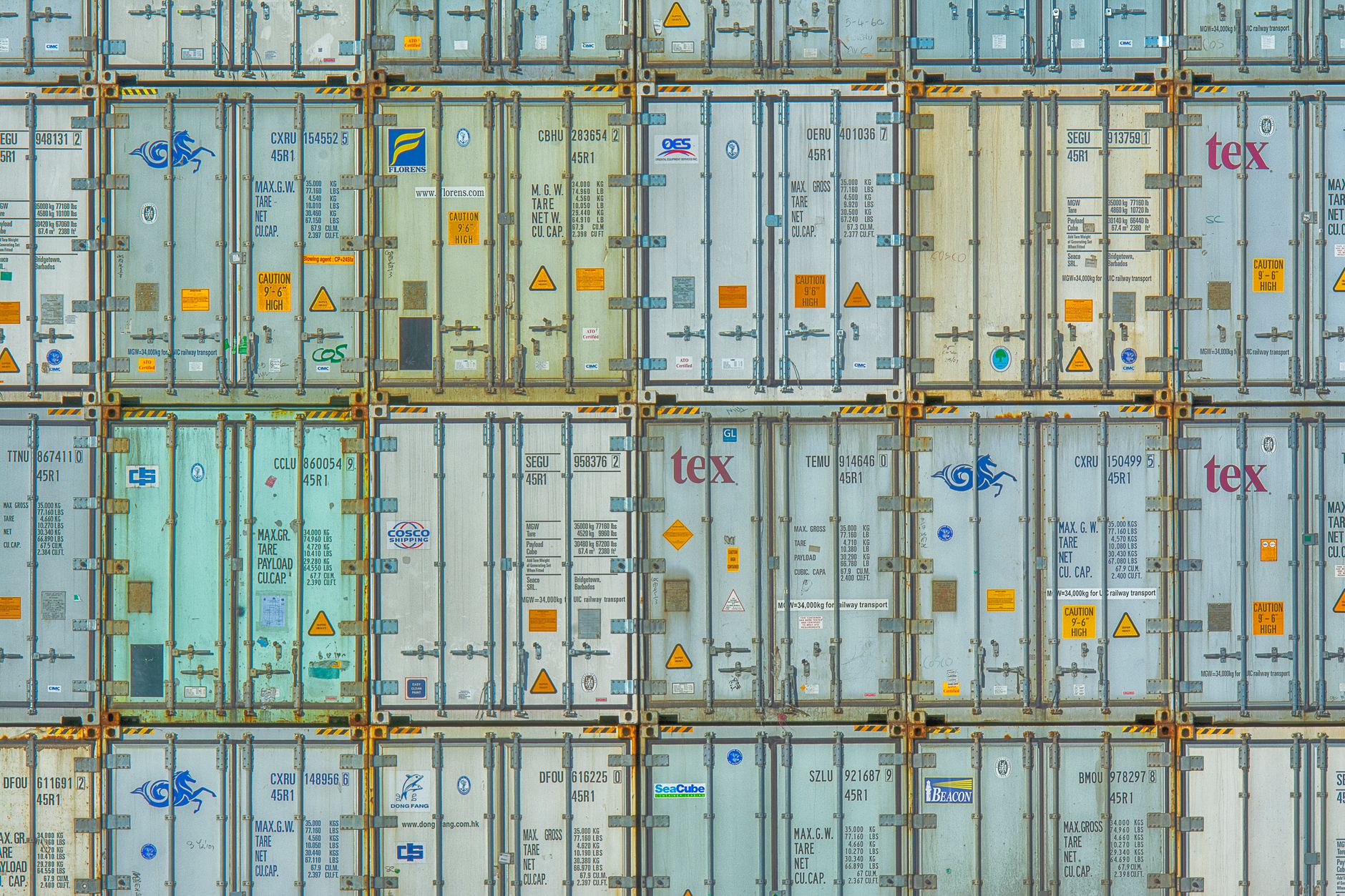
Wholesale trade runs on tight margins and long payment cycles. A distributor shipping a container of goods from a supplier in one country to a buyer in another can wait 30 to 90 days for bank transfers to clear, pay 2 to 5 per cent in foreign exchange fees, and still face delays from correspondent banking chains. Bitcoin is beginning to change that calculation, giving wholesale operators a settlement layer that moves in minutes regardless of geography.
Why wholesale trade is a natural fit for Bitcoin
Most consumer-facing Bitcoin adoption gets the headlines, but wholesale commerce is where the friction is worst. A retailer paying $80 at a point of sale barely notices a 2 per cent card fee. A distributor settling a $500,000 invoice notices it immediately. At that scale, a 2 per cent fee is $10,000 left on the table, and a three-day banking delay can trigger a breach of contract clause or a credit penalty.
Bitcoin settles on its own network. McLeod Pacific Investments, a Gold Coast-based registered Digital Currency Exchange Provider, works with clients who are increasingly asking about Bitcoin's role in high-value trade payments, not just retail spending. The interest from wholesale operators has grown steadily as cross-border banking costs have become a line item that buyers and sellers can no longer ignore.
For businesses already exploring Bitcoin and cross-border payments, the wholesale context is simply a larger-volume version of the same logic: fewer intermediaries, faster finality, and a transparent audit trail on the blockchain.
How wholesale operators are using Bitcoin today
Adoption in wholesale trade takes three main forms right now.
First, invoice settlement between established counterparties. Two businesses that already have a trading relationship can agree to price and settle invoices in Bitcoin, avoiding the SWIFT network entirely. The buyer sends Bitcoin to the seller's wallet, the transaction confirms on-chain within the hour, and both parties have an immutable record of the payment. No correspondent bank. No currency conversion at a retail rate.
Second, deposit and escrow arrangements. Wholesale contracts often require a deposit before goods are manufactured or shipped. Bitcoin's programmable features, including timelocked transactions, allow deposits to be held in a verifiable way without a third-party escrow agent collecting fees. The goods ship, the timelock expires, and the funds release. This reduces the trust gap between buyers and sellers who may not have a long track record together.
Third, payments to suppliers in markets where banking access is limited. Manufacturers in parts of Southeast Asia, Africa, and South America often work through intermediaries simply because their local banking system can't receive international wires efficiently. Bitcoin bypasses that bottleneck, reaching any supplier with a smartphone and a wallet address.
The settlement speed advantage
Traditional international wire transfers between wholesale counterparties can take 1 to 5 business days. Some corridors involving smaller economies take longer. Bitcoin transactions typically confirm within 10 to 60 minutes on-chain, and for large established trading relationships, zero-confirmation transactions between trusted parties can be treated as complete immediately.
This matters enormously for inventory financing. A wholesale buyer who can prove settlement has occurred instantly can draw down a line of credit faster, release warehouse holds sooner, and turn over stock in a shorter cycle. Speed isn't just a convenience; it directly affects working capital.
The supply chain financing implications sit alongside a broader trend covered in our piece on Bitcoin and supply chain finance, where the focus is on cutting out the bank intermediaries that add cost and delay at every stage of a trade cycle.
Currency risk and pricing challenges
Bitcoin's price volatility is the most cited objection to its use in wholesale trade, and it's a fair one. A $200,000 invoice agreed in Bitcoin on Monday looks different if Bitcoin's price drops 8 per cent by Friday when goods are dispatched.
Wholesale operators address this in two ways. Some agree to price in a fiat currency (Australian dollars, US dollars, euros) and convert to Bitcoin at the moment of payment, so the Bitcoin amount is calculated fresh on the day. This removes the pricing risk while still capturing the settlement speed and fee advantage. Others accept the volatility as a feature, holding Bitcoin on the balance sheet as a treasury asset rather than converting immediately on receipt.
Neither approach is universally right. It depends on the operator's risk appetite, the size of the transaction, and how quickly goods move. A distributor turning over stock in 14 days faces less volatility risk than one with 90-day payment terms.
Compliance and documentation
Wholesale trade involves purchase orders, invoices, shipping manifests, and customs declarations. Adding Bitcoin payments doesn't remove any of those obligations. In Australia, the ATO requires businesses to record the Australian dollar value of any Bitcoin transaction at the time it occurs, and GST rules apply in the same way they would for any other business payment.
McLeod Pacific Investments operates as a registered Digital Currency Exchange Provider under AUSTRAC's regulatory framework. Wholesale clients using Bitcoin for trade payments need to apply the same AML and KYC standards they'd apply to any other high-value transaction. The blockchain provides a transparent, timestamped record of every payment, which actually simplifies audit trails compared to bank statements that can take weeks to retrieve across multiple institutions.
For businesses still working through how Bitcoin is reshaping the digital economy at a structural level, compliance readiness is one of the practical steps that makes the difference between a successful pilot and a costly misstep.
What wholesale operators should do before adopting Bitcoin payments
Start with a single counterparty. Pick one supplier or buyer with whom you already have a strong relationship and agree to settle one invoice in Bitcoin as a test. This limits exposure while your team learns the process: generating a wallet address, verifying the amount before sending, confirming on-chain, and recording the AUD equivalent for your accounts.
Set a conversion policy before the first transaction. Decide in advance whether you'll convert Bitcoin to AUD immediately on receipt or hold it. An ad-hoc decision made after the funds arrive usually costs more than a policy set before the trade begins.
Separate your trading wallet from your treasury wallet. The address you share with counterparties for incoming payments shouldn't be the same wallet where you hold longer-term Bitcoin reserves. This is basic operational security that any Bitcoin-literate accountant or exchange provider can help you set up.
Finally, document everything. Bitcoin's blockchain is public, but your internal records need to connect on-chain transactions to specific invoices and counterparties. A simple spreadsheet linking transaction IDs to invoice numbers is enough to start.
The outlook for wholesale Bitcoin adoption
Wholesale trade moves slowly by culture. Buyers and sellers prefer established relationships and predictable processes. That conservatism is actually an advantage for Bitcoin adoption: once two counterparties agree to settle in Bitcoin and complete a few transactions without incident, inertia works in Bitcoin's favour. The new process becomes the standard.
McLeod Pacific Investments expects wholesale trade to become one of the more durable use cases for Bitcoin in Australia over the next several years. The combination of large transaction sizes, cross-border complexity, and persistent banking friction makes it exactly the environment where Bitcoin's properties deliver the clearest, most measurable benefit.