
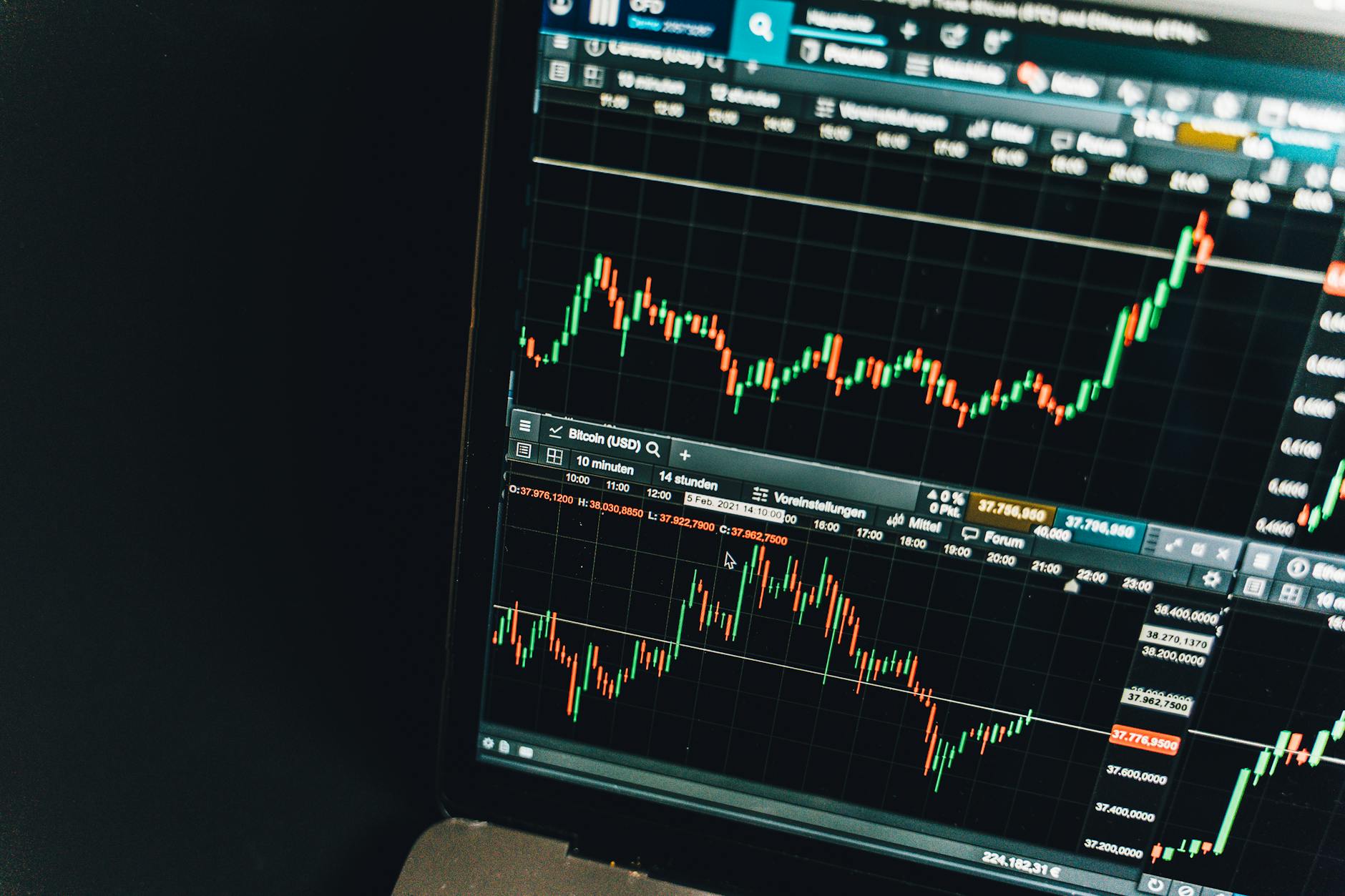
A Bitcoin exchange is an online platform that lets you buy, sell, and sometimes trade Bitcoin using traditional currency or other digital assets. If you've ever wondered how people actually get their hands on Bitcoin, an exchange is usually the answer. Whether you're converting Australian dollars into Bitcoin for the first time or selling a portion of your holdings, exchanges are the infrastructure that makes it possible.
How a Bitcoin exchange actually works
At its core, a Bitcoin exchange connects buyers and sellers. When you place an order to buy Bitcoin, the platform matches your request with someone willing to sell at a compatible price. This process happens in seconds on most major exchanges, with prices adjusting continuously based on supply and demand.
Most exchanges require you to create an account, verify your identity, and deposit funds before you can trade. Identity verification, commonly known as KYC (Know Your Customer), is a legal requirement for registered exchanges in Australia. Once your account is funded, you can place orders, view price charts, and manage your holdings through the platform's interface.
Understanding how Bitcoin transactions work behind the scenes gives you a clearer picture of what happens after you hit the buy button. When a trade is executed, the Bitcoin is transferred on the blockchain, a public ledger that records every movement permanently and transparently.
Types of Bitcoin exchanges
Not all exchanges are built the same way. The main types you'll encounter include:
- Centralised exchanges (CEX): Run by a company that holds your funds and manages order matching. These are the most common type and tend to offer the most straightforward user experience for beginners.
- Decentralised exchanges (DEX): Operate without a central authority. Trades happen directly between wallets using smart contracts. DEXs give users more control but are generally more complex to use.
- Peer-to-peer (P2P) platforms: Connect buyers and sellers directly, sometimes without a middleman holding funds. Prices and payment methods are negotiated between users.
- OTC desks: Over-the-counter services cater to larger trades that would otherwise move the market price. McLeod Pacific Investments operates as a registered Digital Currency Exchange Provider, offering a more personalised service than a typical online platform.
What to look for in a Bitcoin exchange
Choosing an exchange is one of the most important decisions you'll make as a Bitcoin buyer. A few key factors are worth considering before you sign up:
- Registration and compliance: In Australia, Bitcoin exchanges must be registered with AUSTRAC as a Digital Currency Exchange Provider. This registration provides a layer of consumer protection and ensures the platform meets anti-money-laundering obligations.
- Fees: Exchanges charge fees for trades, deposits, and withdrawals. Understanding the fee structure upfront avoids unpleasant surprises. Bitcoin network fees are separate from exchange fees and apply whenever Bitcoin moves on the blockchain.
- Payment options: Australian buyers typically want to pay by bank transfer, PayID, or cash. Not every platform supports all methods, so confirm your preferred option is available.
- Security practices: Look for two-factor authentication, withdrawal whitelists, and a track record without major breaches.
- Customer support: Accessible, responsive support matters, especially for beginners navigating their first purchase.
How Bitcoin is priced on an exchange
Bitcoin doesn't have a single global price. Instead, each exchange sets its price based on the trades happening on that specific platform. Prices across major exchanges tend to stay close to each other because arbitrage traders step in whenever a significant gap opens, buying on the cheaper exchange and selling on the more expensive one until the spread closes.
The price you see quoted is usually either the spot price (the current market rate) or an indicative price that includes the exchange's margin. For buyers using an OTC desk or broker, the price is typically offered as a fixed quote rather than a live order book rate.
Custodial vs non-custodial: where your Bitcoin actually lives
When you buy Bitcoin on a centralised exchange, the platform typically holds your coins in a custodial wallet. You see a balance in your account, but the underlying Bitcoin is stored by the exchange on your behalf. This is convenient but comes with a trade-off: if the exchange is hacked or goes under, your funds could be at risk.
Many experienced holders follow the principle of moving Bitcoin off exchanges into a personal wallet after purchasing. A Bitcoin wallet gives you direct control over your private keys, which means no third party can freeze, seize, or lose your funds. The decision about where to hold your Bitcoin depends on how often you trade and how much you prioritise security over convenience.
Getting started with your first exchange
If you're new to Bitcoin, starting with a registered, reputable exchange is the sensible approach. The sign-up process is similar to opening an online bank account: you'll provide identification documents, link a payment method, and then you're ready to make your first purchase. Most platforms let you start with small amounts, so there's no pressure to commit a large sum while you're still getting comfortable.
Take time to read through the fee schedule, understand the withdrawal process, and consider where you plan to store your Bitcoin once you've bought it. A small amount of preparation makes the experience far smoother and sets good habits from the start.