
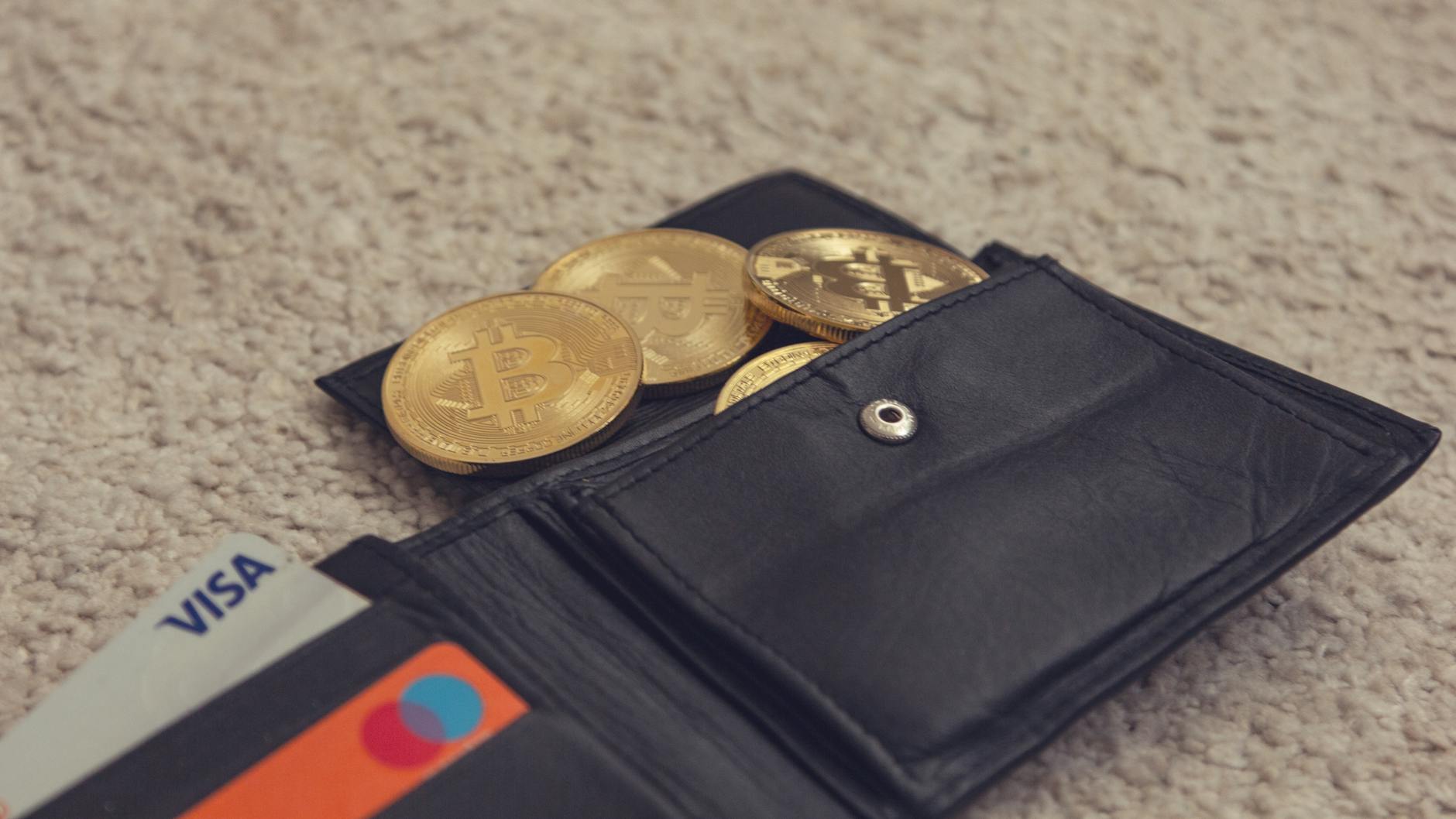
Every time you send Bitcoin, a small fee goes to the miners who process and confirm your transaction. This is the Bitcoin network fee, sometimes called a transaction fee or miner fee. It is not collected by any company or exchange. It goes entirely to the miner whose block includes your transaction, and it plays a central role in keeping the network running. For anyone just starting out, understanding how these fees work makes the experience of sending Bitcoin far less confusing.
What the fee actually pays for
Bitcoin miners group pending transactions into blocks and add them to the blockchain. Each block has a limited size (measured in weight units), so miners can only fit a certain number of transactions per block. When demand for block space is high, miners naturally prioritise transactions that offer them the highest fee. The network fee is your way of signalling to miners: "Please include my transaction in the next block." Pay more, and your transaction moves to the front of the queue. Pay less, and it may sit in the Bitcoin mempool waiting for a quieter moment when block space opens up.
How the fee is calculated
Bitcoin fees are not calculated as a percentage of the amount you send. They are based on the size of the transaction in bytes, or more precisely in vbytes (virtual bytes), which is a unit used after the 2017 SegWit upgrade to measure how much block space a transaction occupies. A typical transaction sending Bitcoin from one address to one recipient might be around 140 to 250 vbytes. One that consolidates many inputs (such as lots of small amounts sent to your wallet over time) can be significantly larger and therefore more expensive to send.
The fee rate is expressed as satoshis per vbyte (sat/vB). A satoshi is the smallest unit of Bitcoin, equal to 0.00000001 BTC. If the going rate is 20 sat/vB and your transaction is 200 vbytes, you will pay 4,000 satoshis. At current Bitcoin prices, that often works out to a few cents or a few dollars depending on how busy the network is at the time.
What causes fees to spike
Network fees rise and fall based on congestion. When many people are trying to send Bitcoin at once, competition for block space pushes fee rates up. Some of the most common causes of fee spikes include:
- High market activity: Price volatility often drives a surge in transactions as people rush to buy, sell, or move funds. Fees can climb sharply during these periods.
- NFT and inscription activity: Since 2023, Bitcoin Ordinals and inscriptions have occasionally filled blocks with large data payloads, driving up fees for ordinary transfers.
- Post-halving pressure: After each Bitcoin halving, the block reward miners receive is cut in half. Fees become a larger share of their income, and during these periods the network often experiences heightened activity.
- Weekday vs weekend patterns: Fees tend to be lower on weekends when business-related transaction volumes drop. Sending on a Sunday morning (UTC) is often cheaper than during peak weekday hours.
How to choose the right fee
Most Bitcoin wallets and exchanges handle fee estimation automatically, presenting you with options such as low, standard, and fast. Choosing "fast" typically means your transaction confirms in the next block (around 10 minutes). Choosing "slow" or "economy" might mean waiting an hour or more, but paying a fraction of the cost. For non-urgent transfers, the slower option is usually fine.
Some wallets let you set a custom fee rate manually. This is useful for experienced users who monitor network conditions directly. Tools like Mempool.space show the current state of the mempool in real time, including which fee rates are likely to get you confirmed in the next 1, 3, or 6 blocks. If the mempool is nearly empty, even a very low fee rate will confirm quickly.
Replace-by-fee and stuck transactions
If you send a transaction with a fee that turns out to be too low, it can get stuck in the mempool. Some wallets support a feature called Replace-by-Fee (RBF), which lets you rebroadcast the same transaction with a higher fee to bump it up the queue. Not all wallets support this, so it is worth checking before you need it. If your wallet does not support RBF, the transaction will eventually confirm on its own once congestion eases, or in rare cases it may be dropped from the mempool after several days.
Fees on exchanges vs on-chain
When you buy or sell Bitcoin through a registered exchange, the fee you see on screen is typically the exchange's service fee, not a network fee. The Bitcoin network fee only applies when you are sending Bitcoin on-chain, meaning withdrawing from an exchange to a personal wallet, or sending directly between wallets. Internal transfers within an exchange platform usually settle off-chain and carry no Bitcoin network fee, though the exchange may charge its own withdrawal fee to cover the on-chain cost when you eventually move funds out.
Tips for minimising what you pay
You do not need to overpay on fees to use Bitcoin reliably. A few habits help keep costs down:
- Check fee estimators before sending large transactions, especially during periods of high market activity.
- Batch multiple payments into a single transaction if your wallet supports it. Sending to five addresses in one transaction costs far less than sending five separate transactions.
- Avoid sending many tiny amounts in one go. Wallets that hold lots of small "dust" inputs create large transactions that attract higher fees.
- Use SegWit-compatible wallet addresses (addresses starting with "bc1") where possible. These generate smaller transaction sizes and lower fees.
Bitcoin network fees are one of those aspects of the technology that can feel technical at first but quickly become second nature. Once you understand that fees reflect demand for block space rather than a fixed charge, you gain the ability to time and structure your transactions more efficiently. For more on what happens once a transaction is submitted, see our guide on what a Bitcoin confirmation actually means and how many you need before a payment is considered final.