
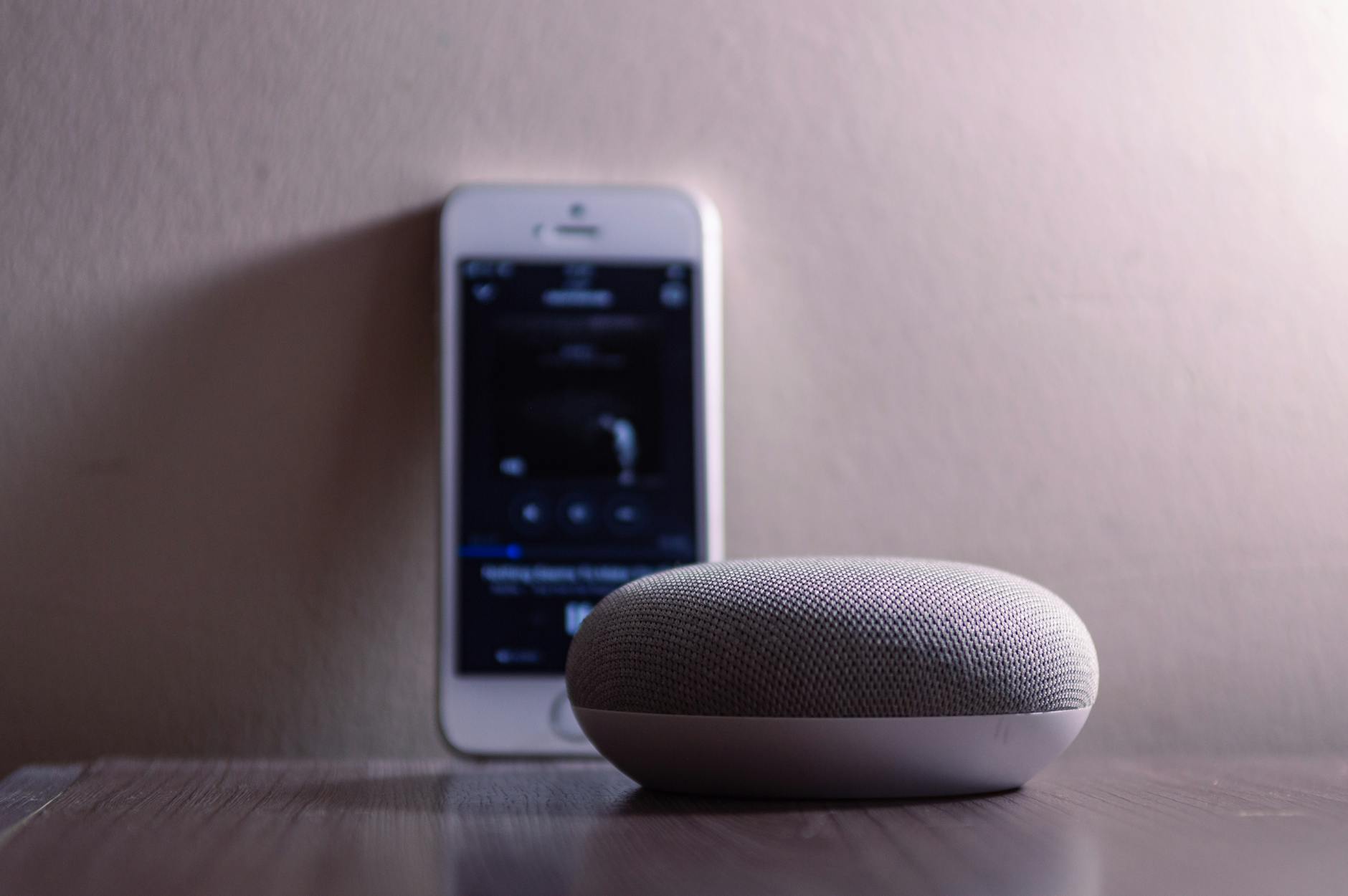
Voice assistants have become fixtures in Australian homes. Amazon's Alexa, Google Assistant, and Apple's Siri now live in smart speakers, phones, TVs, and even refrigerators. Most people use them to play music or check the weather. Far fewer stop to ask what happens when those always-on microphones are present during sensitive Bitcoin activity. The answer should change how you behave.
Why voice assistants and Bitcoin are a bad combination
The core problem is simple: voice assistants are designed to listen continuously for a wake word, and the data they capture doesn't always stay local. Recordings are routinely uploaded to vendor servers for processing, and in some cases reviewed by human contractors to improve accuracy. Amazon, Google, and Apple have all acknowledged this practice in the past.
Now consider what gets said in a typical Bitcoin session. Someone setting up a new wallet might read their seed phrase aloud to verify the word order. A buyer confirming a transaction with a spouse might dictate a wallet address. A parent explaining Bitcoin to a child might announce the amount held in a wallet. Each of those moments creates a window that a voice assistant can record.
Your seed phrase is the single most critical piece of information tied to your wallet. Saying it aloud near a live microphone, even once, is enough to cause permanent loss if that recording reaches the wrong hands.
The specific risks to understand
Three distinct threats arise when voice assistants are present during Bitcoin activity.
Cloud logging. Wake-word detection sometimes misfires, and the assistant activates without being deliberately triggered. The seconds that follow get uploaded. If you said a wallet address, a seed word, or a PIN in that window, it's now on a remote server.
Household access. Voice assistants respond to anyone in range. A device set up on a shared network will respond to any voice. Someone asking "what's on the shopping list" won't cause harm. But a device that has been paired with a Bitcoin app or financial service could be queried by a flatmate, a visitor, or anyone else present.
Third-party skills and integrations. Both Amazon and Google allow third-party developers to build "skills" and "actions" that extend assistant capability. Poorly secured or outright malicious skills can intercept voice commands. If you've ever used a Bitcoin price skill or a crypto conversion tool through a voice assistant, check what permissions it requested.
What to do before any Bitcoin activity
The practical fix is straightforward, even if the discipline takes getting used to.
Mute every voice assistant in the room before you open your wallet, generate a seed phrase, confirm an address, or talk through any Bitcoin detail. Most smart speakers have a physical mute button that disables the microphone at the hardware level. Use it. A software mute is better than nothing, but a hardware switch is the only control you can actually trust.
Move the device out of the room if muting isn't enough. Distance helps, but it doesn't eliminate the risk in a quiet house. A speaker in an adjacent room with a solid-core door closed is a meaningful improvement over one sitting on the desk beside your laptop.
Never dictate a Bitcoin address, seed phrase, or private key aloud. Not to verify it, not to confirm it with someone else in the room, not to test it. Write it down on paper, verify it visually, and check each word silently. The same principle applies to phone conversations: don't read wallet details aloud on a call, even a private one.
Review the voice history stored by your assistant provider and delete it regularly. Amazon, Google, and Apple all offer this in their respective apps. Set a recurring reminder to clear the log every month.
Shared households face compounding risks
A Bitcoin holder living alone can apply these habits consistently. A shared household is harder. Flatmates may not know, or care, that the smart speaker is muted during certain tasks. Visiting family members might reactivate a device without realising the significance.
The safest approach in a shared home is to handle all Bitcoin activity in a private room, with the door closed and any smart device physically unplugged or muted at the hardware level. This isn't paranoia. It's the same thinking that applies to securing Bitcoin on a shared home network: the more people and devices that touch your environment, the larger the attack surface.