
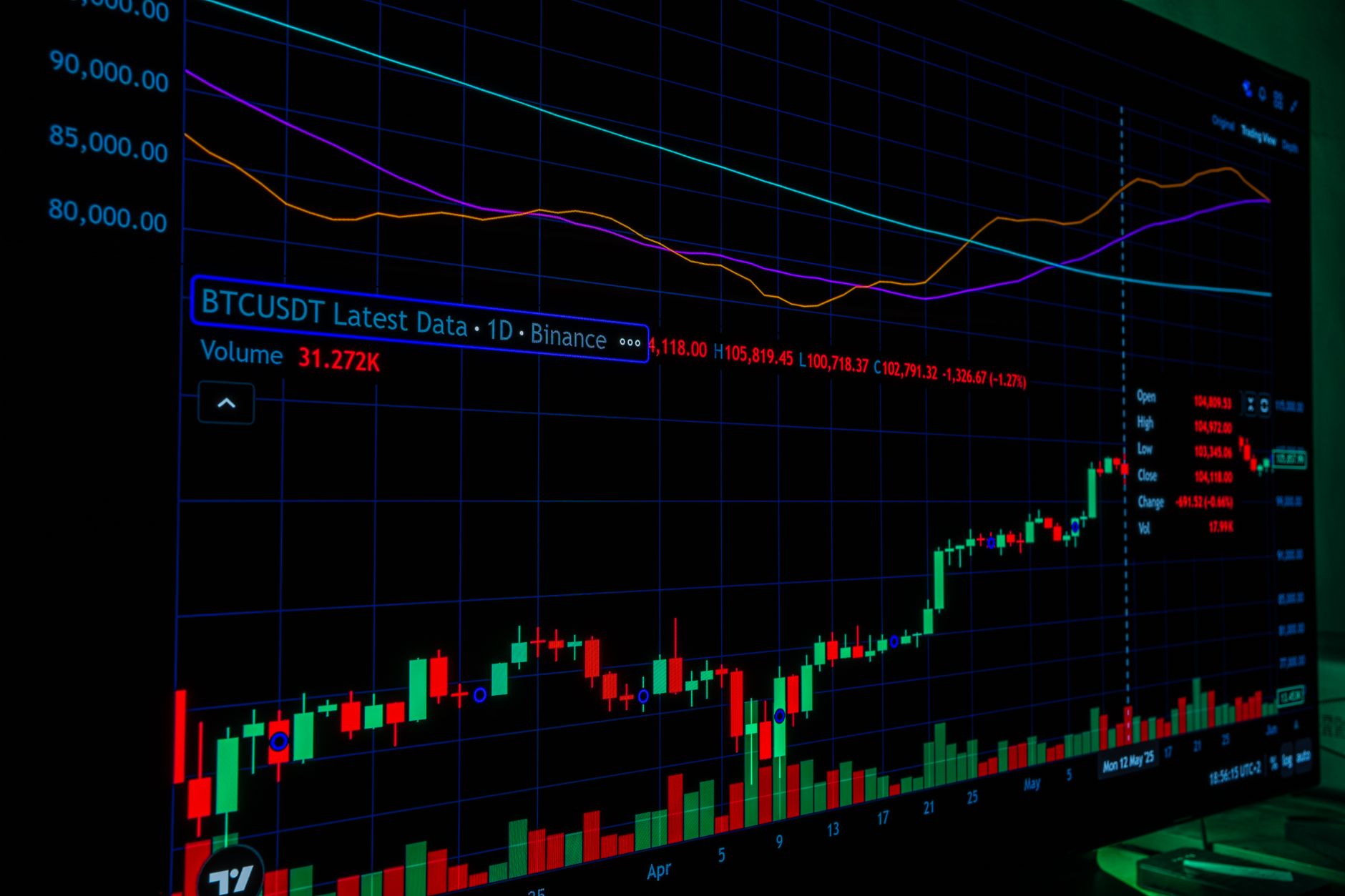
Bitcoin wash trading is one of the quieter forms of market manipulation in the crypto space, and it's far more common than most investors realise. It happens when a trader buys and sells the same asset rapidly, either to themselves or in coordinated loops, with the goal of creating artificial trading volume rather than any genuine change of ownership. The result is a price or volume signal that looks real but isn't. For anyone trying to read Bitcoin market cycles accurately, wash trading is one of the most persistent sources of noise.
What wash trading actually looks like
In traditional financial markets, wash trading is illegal. The Australian Securities and Investments Commission (ASIC) prohibits it under the Corporations Act 2001 as a form of market manipulation. Bitcoin occupies a different regulatory position in Australia: it's treated as property by the ATO and regulated as a digital currency exchange service under AUSTRAC, but spot Bitcoin trading isn't directly governed by the same securities laws that ban wash trading in equities.
That gap creates room for the practice to persist. A wash trader might hold two accounts on the same exchange and cycle Bitcoin between them repeatedly. Each round trip registers as volume on the order book. To an outside observer, it looks like a liquid, active market. It isn't. The Bitcoin never actually changed hands in any meaningful sense.
Some actors do this to inflate the apparent trading volume of an exchange, making the platform look busier and more credible than it is. Others do it on smaller tokens (not Bitcoin itself) to manufacture a price spike before selling into the artificial demand. Bitcoin is harder to manipulate this way given its market size, but wash activity on smaller exchanges still distorts the volume data aggregators pick up and report.
How wash trading misleads investors
Volume is one of the key inputs investors use to validate price moves. A price increase on high volume typically signals genuine demand. A price move on thin volume often signals something weaker. Wash trading corrupts that relationship. It injects volume that doesn't reflect real demand, making it harder to distinguish a genuine breakout from a manufactured one.
This matters most when investors are trying to identify Bitcoin accumulation zones or assess whether a price level has real support. If the volume figures underpinning those signals are partly artificial, the signals become less reliable. You may enter a position based on what looks like institutional buying, only to find the volume was synthetic.
The practical defence is straightforward: use on-chain data rather than exchange-reported volume. On-chain metrics measure actual Bitcoin moving across the network, which can't be faked by cycling coins between two accounts on a single platform. Blockchain explorers and analytics tools track real settlement activity, not order book theatre.
The accidental wash trading problem for Australian investors
Here's where wash trading creates a tax problem most Australian Bitcoin holders don't anticipate. Under ATO rules, every disposal of Bitcoin is a taxable event, even if you buy it straight back. This is fundamentally different from the wash sale rules that apply in some other jurisdictions (notably the US), where wash sales are specifically defined and trigger adjusted cost bases.
In Australia, there's no wash sale rule equivalent for Bitcoin. That sounds like an advantage, but it cuts both ways. If you sell Bitcoin at a loss to crystallise a tax deduction and immediately buy it back, the ATO can challenge that transaction as a tax avoidance scheme under Part IVA of the Income Tax Assessment Act 1936, particularly if the dominant purpose is clearly to generate a tax loss with no genuine commercial intent to exit the position.
The ATO has flagged Bitcoin tax-loss harvesting arrangements as an area of interest. Transactions that look like wash trades, sold and repurchased within the same day or over a very short window with no price risk in between, are exactly the kind of arrangement that attracts scrutiny. The rule isn't that you can't sell and rebuy; it's that the transaction needs to be commercially genuine. Document your reasoning clearly. A sale driven by portfolio rebalancing or a genuine change in outlook is defensible. A sale designed purely to manufacture a paper loss with zero intention to change your position is not.
Spotting wash trading on exchanges you use
Not all exchanges are equally vulnerable. Regulated platforms operating under AUSTRAC obligations have stronger incentives to maintain genuine order books. Lightly regulated or offshore exchanges have less accountability. A few signals suggest an exchange may carry inflated volume.
- Volume-to-open-interest ratios that look implausibly high compared to regulated peers
- Spreads that remain unusually tight even during low-liquidity periods
- Volume that doesn't correlate with price moves the way it does on other platforms
Academic researchers at the University of Texas published a widely cited analysis finding that the majority of trading volume on unregulated exchanges was wash trading. The figures have shifted as regulation has matured, but the structural incentive for platforms to inflate volume hasn't disappeared.
Cross-referencing exchange volume against on-chain settlement data is the most reliable check. If an exchange reports $500 million in daily Bitcoin volume but on-chain data shows far less actual movement attributable to that platform, the gap is worth questioning.
What this means for how you use price data
The practical implication is that raw exchange volume is a noisy signal. It's worth building a habit of checking on-chain metrics alongside any volume-based analysis you do. Tools that track miner outflows, exchange net flows, and active address counts give you a cleaner picture of actual market activity.
It also reinforces the value of trading on reputable, regulated exchanges where the incentive to fake volume is lower and the consequences of doing so are real. McLeod Pacific Investments operates as a registered Digital Currency Exchange provider under AUSTRAC, which means the Bitcoin buy and sell activity it facilitates is genuine, reportable, and compliant with Australian financial regulation.
Wash trading won't disappear from crypto markets any time soon. But understanding what it is and where it shows up lets you filter the signals you rely on and keep your own activity clearly on the right side of the ATO's expectations.