
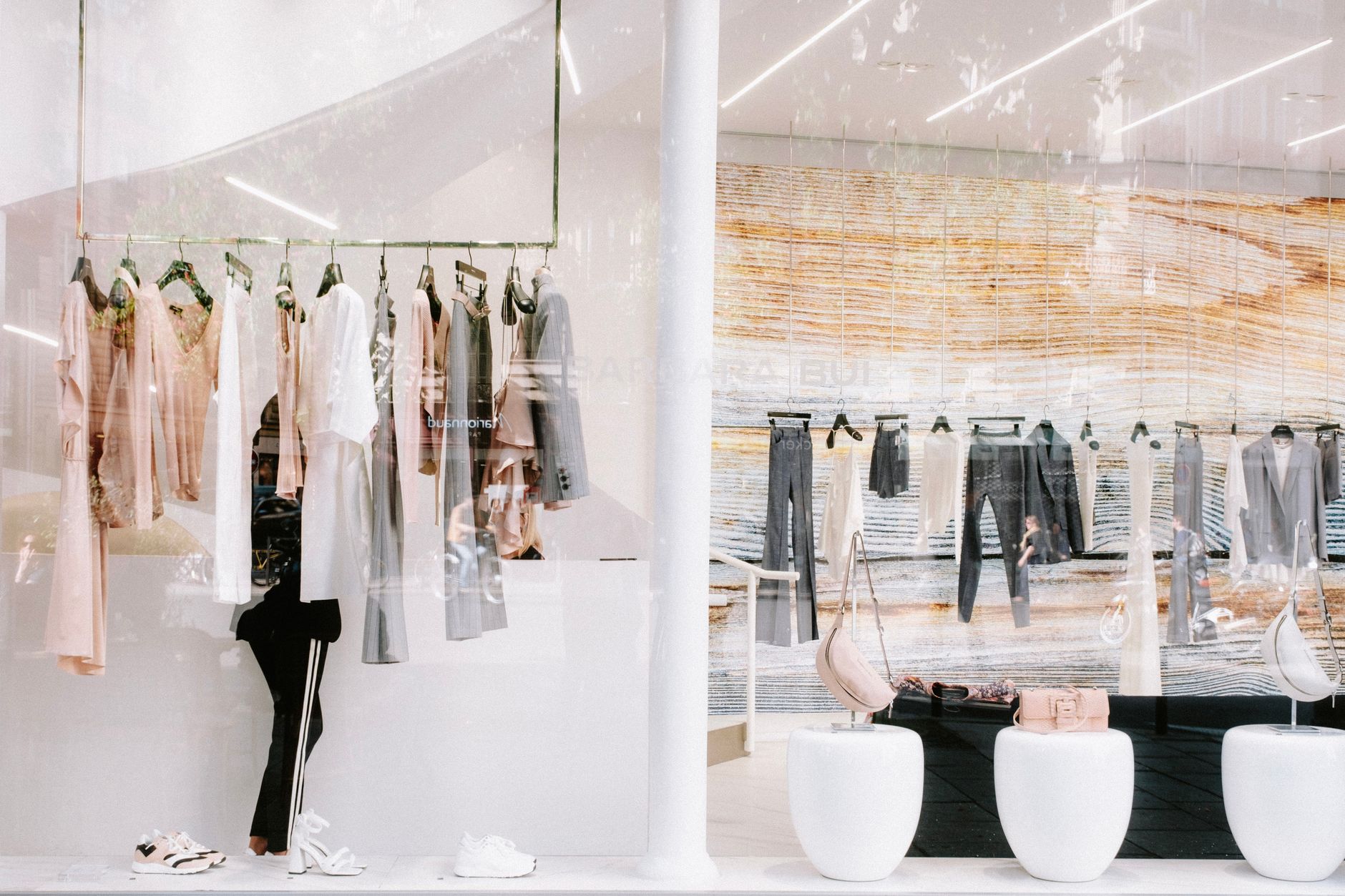
Bitcoin is no longer confined to trading screens and investment accounts. A growing number of clothing retailers, independent designers, and fashion platforms accept crypto payments directly, making it easier than ever to spend Bitcoin on everyday wardrobe items. Whether you're after a new pair of sneakers, a bespoke suit, or a capsule wardrobe refresh, crypto is quietly becoming a viable way to pay.
Where you can spend Bitcoin on clothing
The clearest category is online fashion retail. Platforms that aggregate independent brands, plus a handful of direct-to-consumer labels in the streetwear and workwear segments, now list Bitcoin at checkout alongside the usual card options. The list is growing, partly because the transaction infrastructure has improved significantly since the Lightning Network made small, fast payments more practical.
Physical stores are catching up, too. Independent boutiques in cities like Sydney, Melbourne, and Brisbane have added crypto payment terminals over the past few years, often driven by younger owners who hold Bitcoin themselves. It's still a minority of stores, but the number is no longer trivial. If you're heading into a physical shop, it's worth checking the retailer's website or social media before you go.
Custom and made-to-measure tailoring is another active corner. Several Australian tailors now accept Bitcoin for deposits and final payments, particularly those that work with international clients who want to avoid currency conversion costs. Bespoke menswear and custom formalwear sit at a price point where Bitcoin's borderless settlement makes real sense for both parties.
How to pay for clothing with Bitcoin
Most retailers that accept Bitcoin will show a QR code at checkout, either in-store on a tablet or online in your browser. You scan it with your wallet app, confirm the amount, and the payment settles. The merchant receives confirmation within a few seconds if they're using Lightning, or within one to three confirmations on the base chain for larger purchases. For a deeper look at how that confirmation process works, see what a Bitcoin confirmation actually is and why it matters.
For high-value purchases like a tailored suit or a premium outerwear piece, some sellers ask for a deposit on-chain and the balance on pickup or delivery. This is straightforward once you've sent Bitcoin a few times, but if it's new territory, our step-by-step guide to sending Bitcoin covers every stage from wallet setup to confirmation.
A couple of practical points worth knowing. Always double-check the payment address or QR code before confirming. Bitcoin transactions can't be reversed once broadcast. If you're paying from a mobile wallet in a physical store, make sure your phone is connected to your own data rather than the store's guest Wi-Fi. Small precautions add up.
Bitcoin rewards and crypto-back on fashion spending
Some Bitcoin rewards platforms partner with clothing retailers, meaning you can earn satoshis back on purchases even at stores that don't technically "accept" Bitcoin directly. You spend with a linked card, and the platform converts a percentage of the transaction into Bitcoin and deposits it to your wallet. It's not the same as paying directly in Bitcoin, but for everyday retail spending it's a practical way to accumulate crypto on purchases you'd make anyway.
The rewards percentages vary by retailer, and fashion tends to sit in the 1–3% range depending on the program. That's meaningful if you spend regularly on clothing, particularly for parents buying school uniforms, sportswear, or workwear in bulk.
Things to keep in mind
Fashion purchases in Australia using Bitcoin are treated as a disposal event for tax purposes. The ATO considers Bitcoin a capital asset, so spending it triggers a capital gains calculation based on the difference between what you paid for the Bitcoin and its value at the time of the purchase. For small amounts, the gain or loss is often negligible. For larger purchases made with Bitcoin acquired at a much lower price, it's worth keeping records.
Currency fluctuation is the other factor. Bitcoin's price can move between the moment you initiate a payment and when the merchant confirms it. Most merchants lock in a price for a short window, typically 10 to 15 minutes, to protect both parties. If you're browsing rather than buying, be aware that the Bitcoin price you saw when you added items to your cart may not be the one at checkout.
Retailers that accept Bitcoin directly tend to be forward-thinking independents rather than large department store chains. That actually works in the buyer's favour, since independent fashion labels often carry unique pieces, produce smaller runs, and are more willing to negotiate on price or shipping for crypto customers.
The practical upside for regular shoppers
For Australians who hold Bitcoin as part of a long-term savings strategy, spending a small portion on everyday items like clothing creates a natural way to use the asset without liquidating a position through an exchange. It removes one step, avoids one set of fees, and keeps the transaction between you and the merchant.
International fashion platforms are where the benefit is sharpest. Buying from a European or US brand with Bitcoin cuts out the currency conversion margin that card processors charge, which on fashion items can be 2–3% of the transaction value. Over a year of regular purchases, that adds up to a genuine saving.
Bitcoin's role in everyday spending is expanding steadily. Clothing and fashion is a practical, tangible category where that expansion is already visible, and it's one of the easier places to start if you've been looking for a reason to spend rather than just hold.